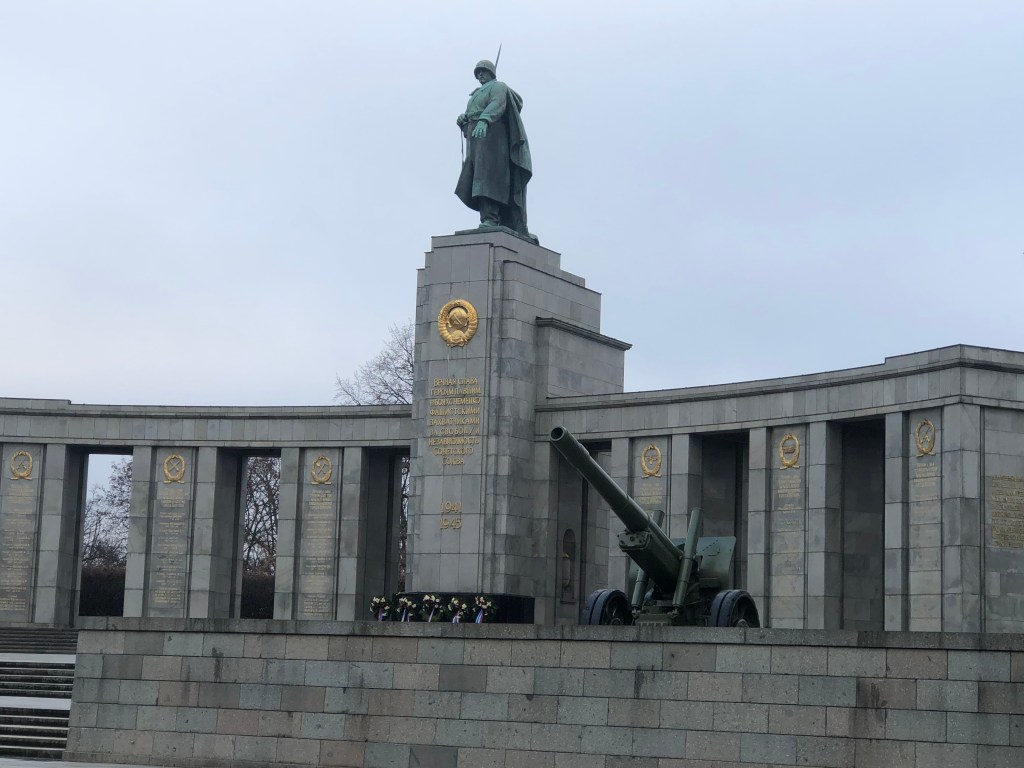
Soviet Memorial, Berlin, January 19th 2020 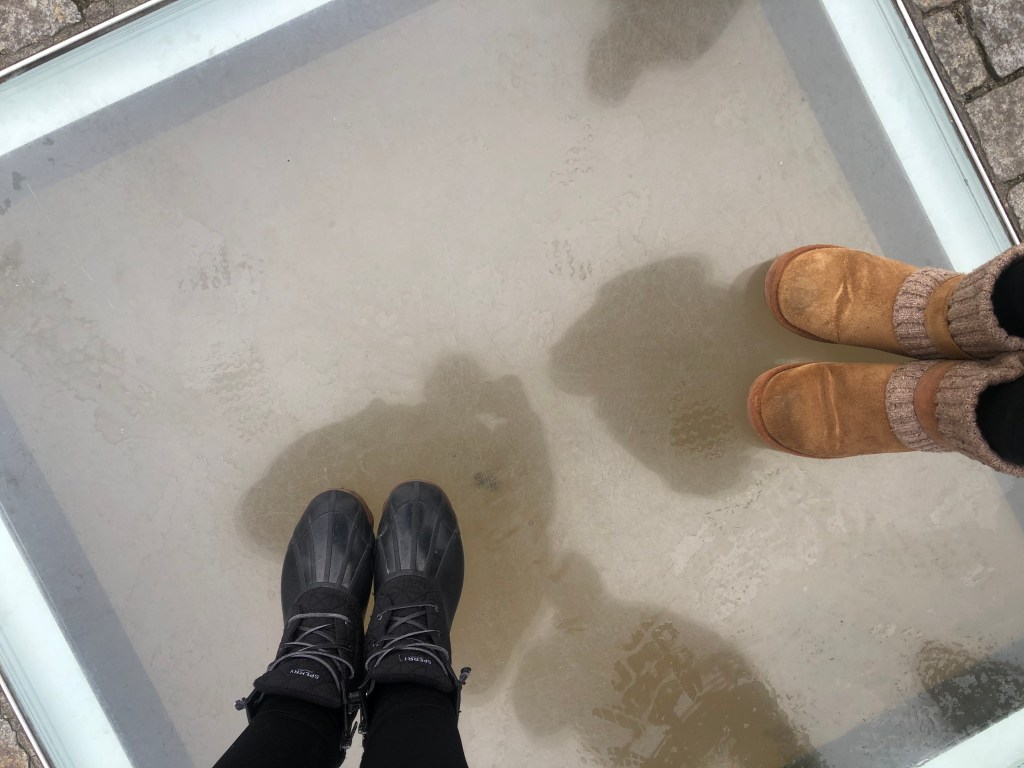
Empty Bookshelf Memorial, Berlin, January 19th 2020 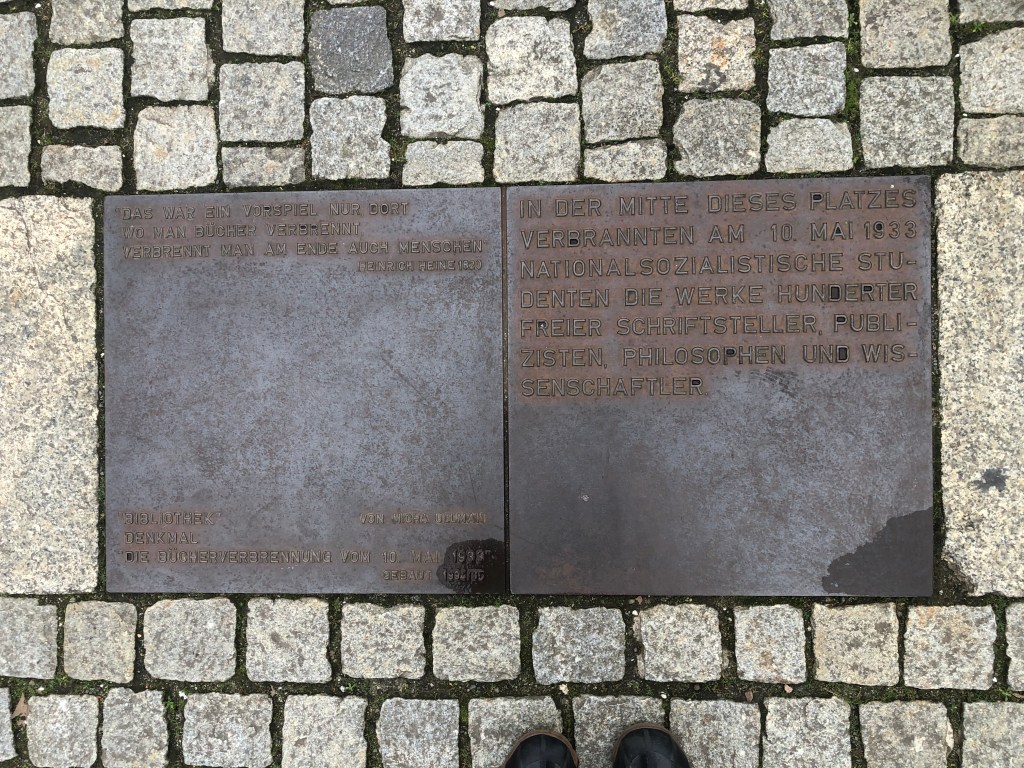
Plaque, Berlin, January 19th, 2020 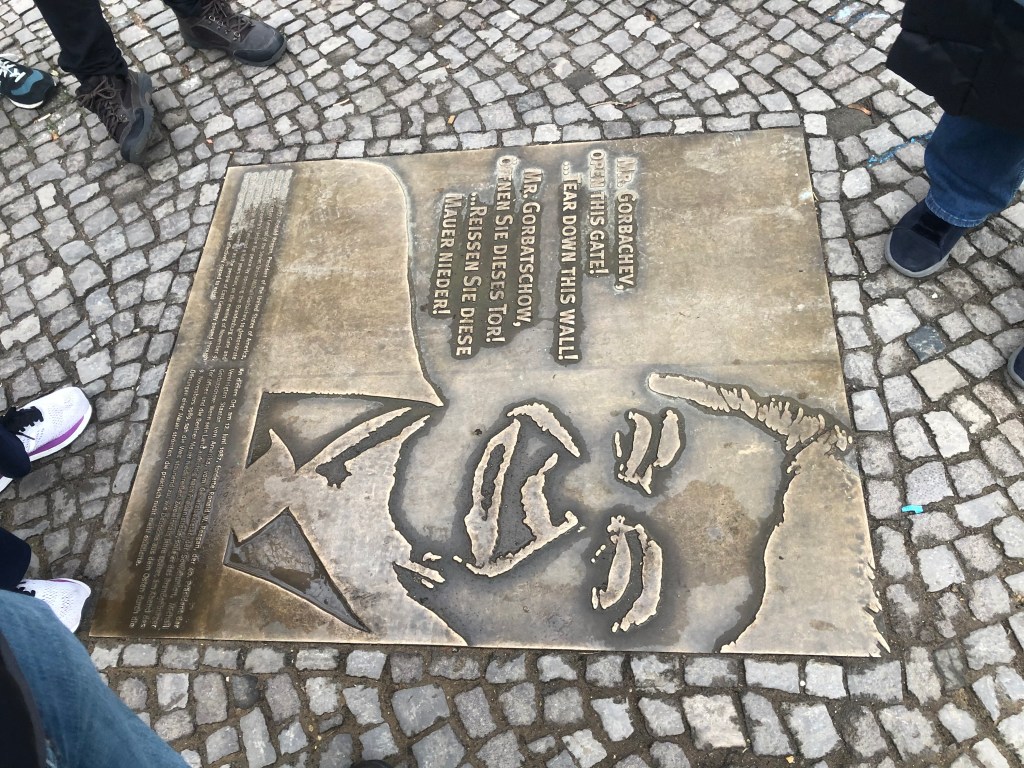
Regan Memorial, Berlin, January 19th, 2020 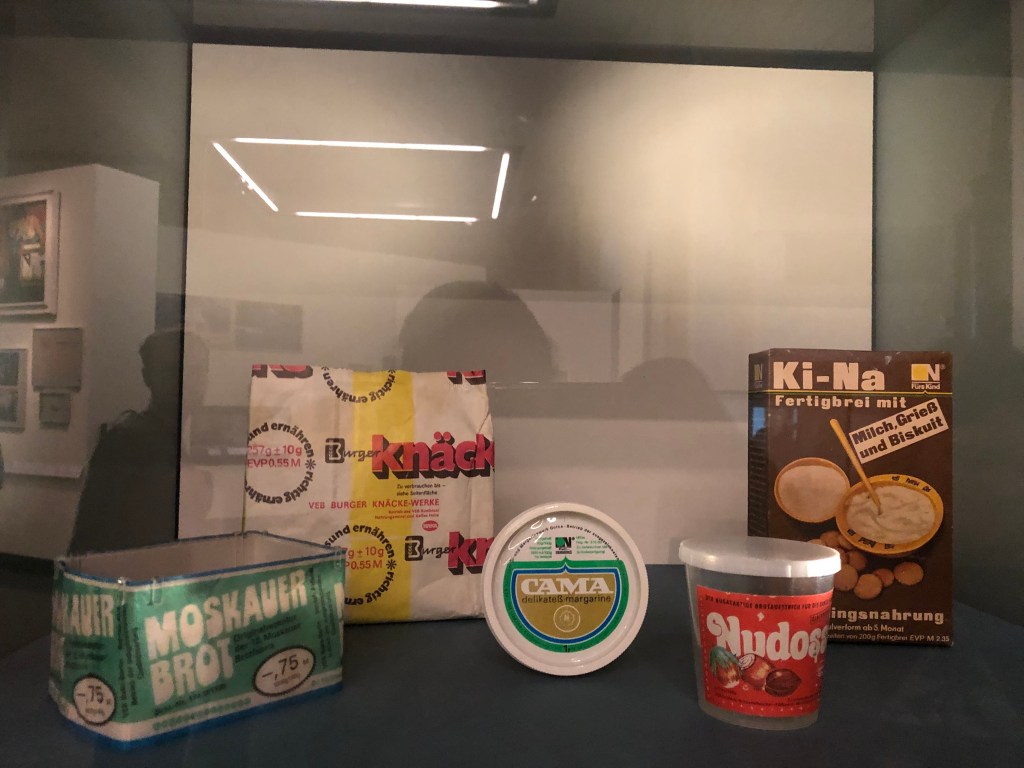
Eastern Berlin manufactured food January 19th 2020 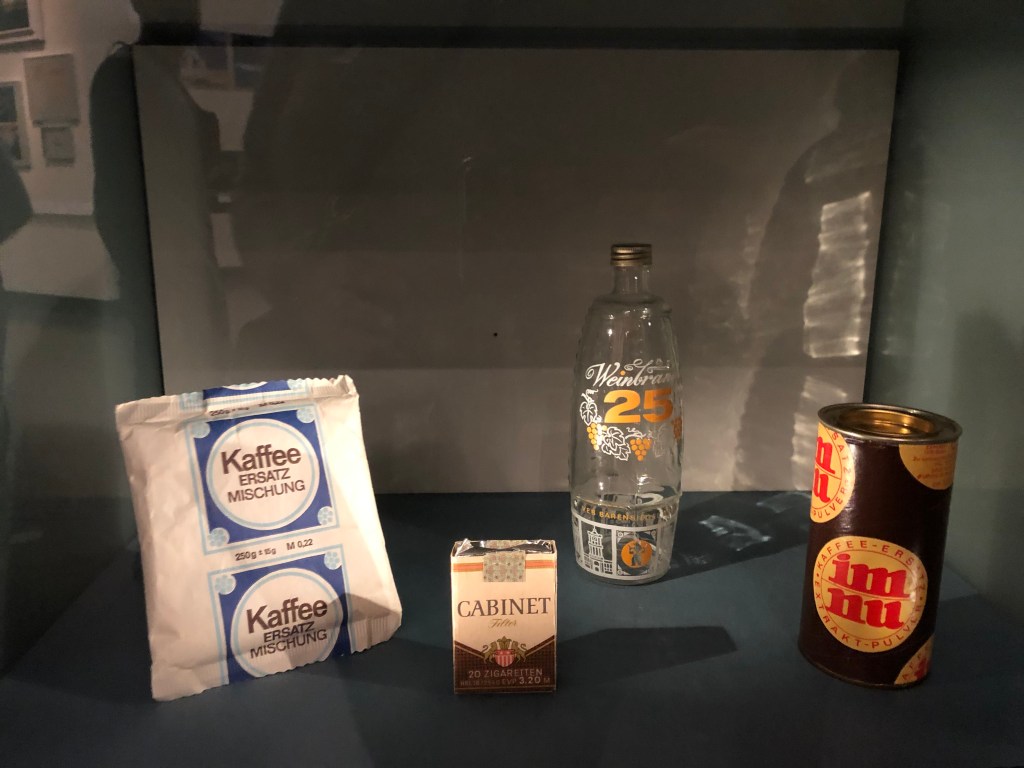
Eastern Berlin manufactured food January 19th 2020 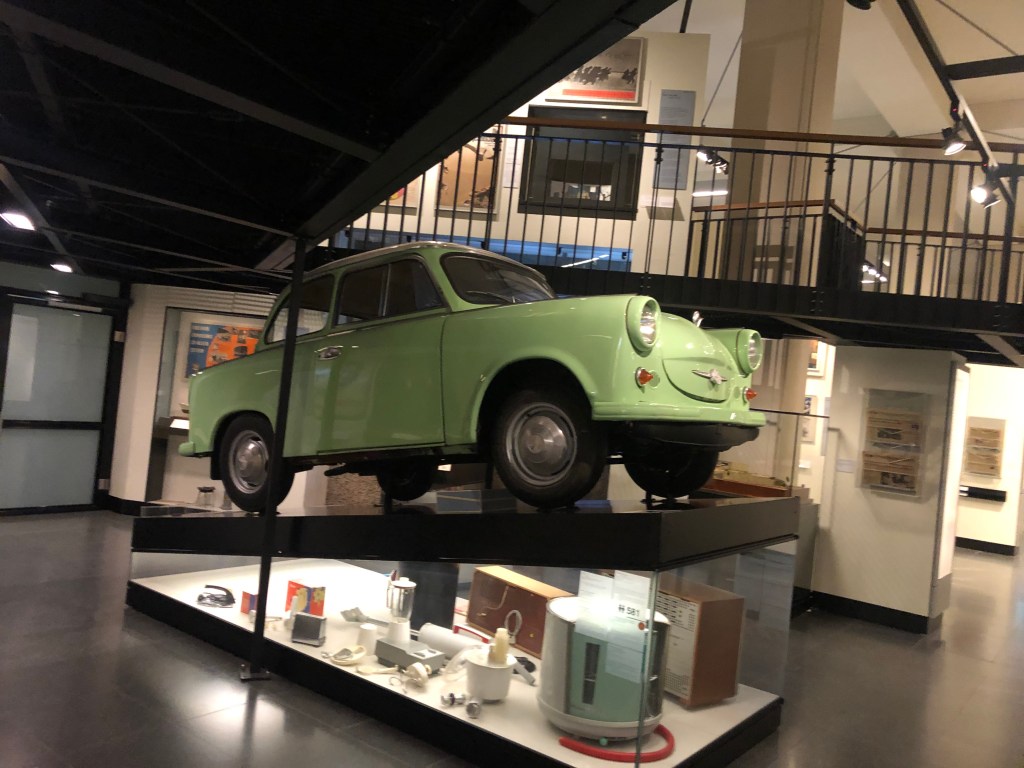
Car manufactured by the East, made with composite material, January 19th, 2020 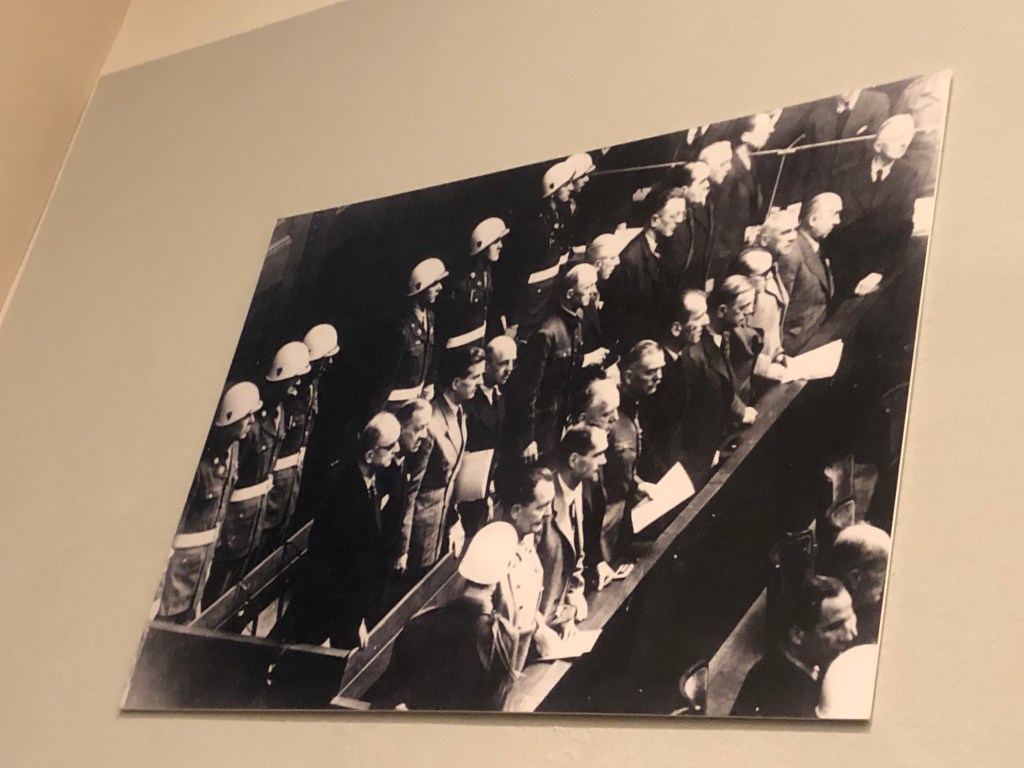
Nuremburg Trials, Post WWII, January 19th 2020
East and Western Berlin seem to shape memory in similar ways in my opinion. Both sides tore down buildings that represented things that they deemed unworthy of being remembered, and both sides erected memorials for the victims. That, is what I feel is the key similarities that the East and West have, however, there are also key differences that effect the social life, working life, and ideas of the people living on their respective side.
For example, the East lived under the socialists’ rule, which resulted in an effort of remembrance not only for the Jews, but also for all of the political people that were oppressed, because they felt as though they were victims on the same level of the Jews. The east worked on an equality basis, which meant that the way that women were seen was more feminist than the West. The West however, recognized the lack of realistic execution of the socialist government, and as the uprisings started in the East, the West emphasized the importance of the people through the renaming of the street that leads to the victory column as June 17th Street.
The East and the West were in a constant popularity contest. Each wanted to prove that I was better than the other, and the West wanted to prove that the East needed them and the East wanted to prove it could survive by being completely independent from the West.

