Be yourself; Everyone else is already taken.
— Oscar Wilde.
This is the first post on my new blog. I’m just getting this new blog going, so stay tuned for more. Subscribe below to get notified when I post new updates.
Be yourself; Everyone else is already taken.
— Oscar Wilde.
This is the first post on my new blog. I’m just getting this new blog going, so stay tuned for more. Subscribe below to get notified when I post new updates.

I have learned a lot on my study away. I have studied, I have soaked in as much information as Sara and all of our tour guides gave to me. I also learned to let go a little. I learned that the walls I build up could maybe use a little less boarder control. I learned communication skills, for the people that I interacted with in Germany, but also in my relationships I had with the people that were back home. Sara said on the first day of class that everyone has nerves, but this was truly a chance of a life time, so live in every moment.
If you are here from the beginning, you know that the beginning of my trip was a little rocky. One because our planes were experiencing some extreme turbulence, but also because I got really sick on my way over. I had a sore through, a horrible headache, I kept having heat flashes that turned in to nausea and dizziness. As anyone could probably guess, with my nerves already being pretty high, then getting sick on top of it all, I had very low hopes for my trip to go well.
I stayed home that second day. I just couldn’t do it. I wasn’t able to eat, and moving was a whole task of its own. So, I slept. I stayed in the little hotel room by myself. And my hopes for my trip hit rock bottom. I was ready to go home. I didn’t feel good, I didn’t know anyone, and I felt so alone. I called my mom crying, and told her I made a horrible mistake, and my dad joked and said he was hopping on a flight and heading over right away. Parents always have a weird way of making everything ok. Obviously, I stayed in Germany, and thank God that I did.
When everyone came back that night from the adventures of the day, they gave me the whole run down. They told me about the cool tour guide, and how people got lost, and I basically felt like I had gone out with them. Madison Rose was kind enough to think about me while she was out, and brought me some amazing German medicine. I will say, taking medicine from a girl you barely know is a little unnerving, but not being able to read any of the text on the package, that was a different kind of scary I hadn’t experienced before. However, it worked like a charm. I was still super sick but I was able to eat and that night five of us went out and got some fake Italian food and had a great night.
Madison stuck it out with me the whole rest of the trip, and we had a rollercoaster of a time.
I was determined to make the most of this study away. There is literally no better way to learn about the history of a country than to be in that country. Every day I took pages and pages of notes. I am an art education major, and Germany is filled with the most amazing art. I think in my future as an art teacher, this experience will give me a different perspective and even a leg up for job applications. To be able to memorize images and artists is something that nearly anyone can do with enough practice, however, not many people are able to witness the art first hand, and that is an experience I am so grateful that I was able to have.
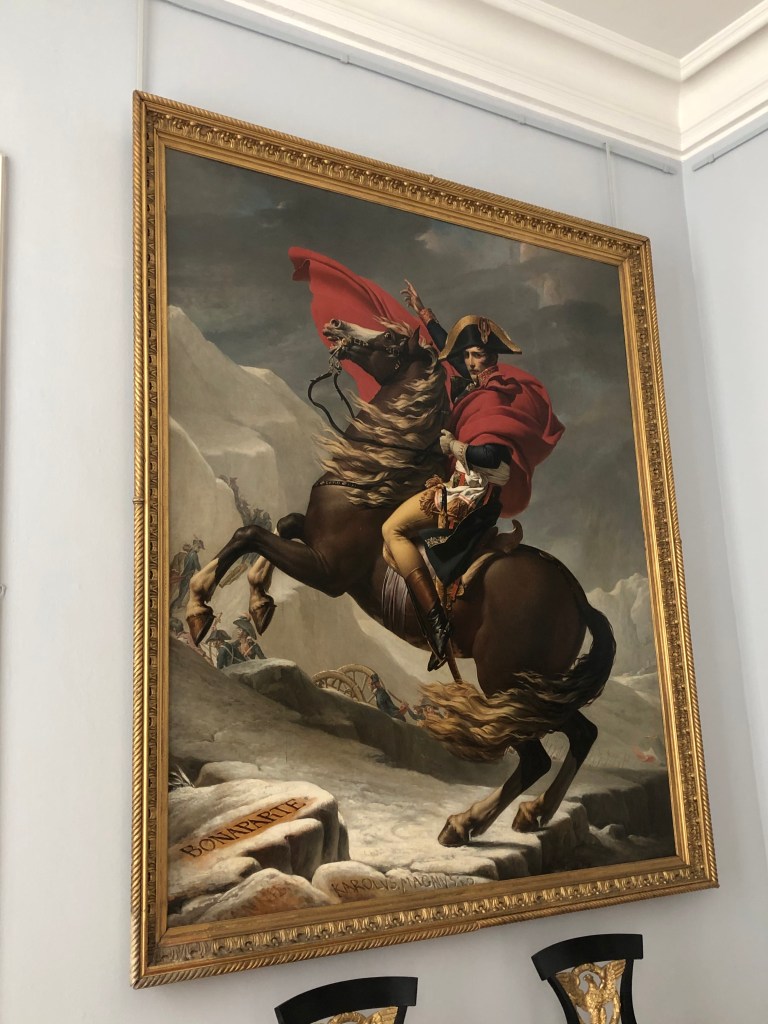
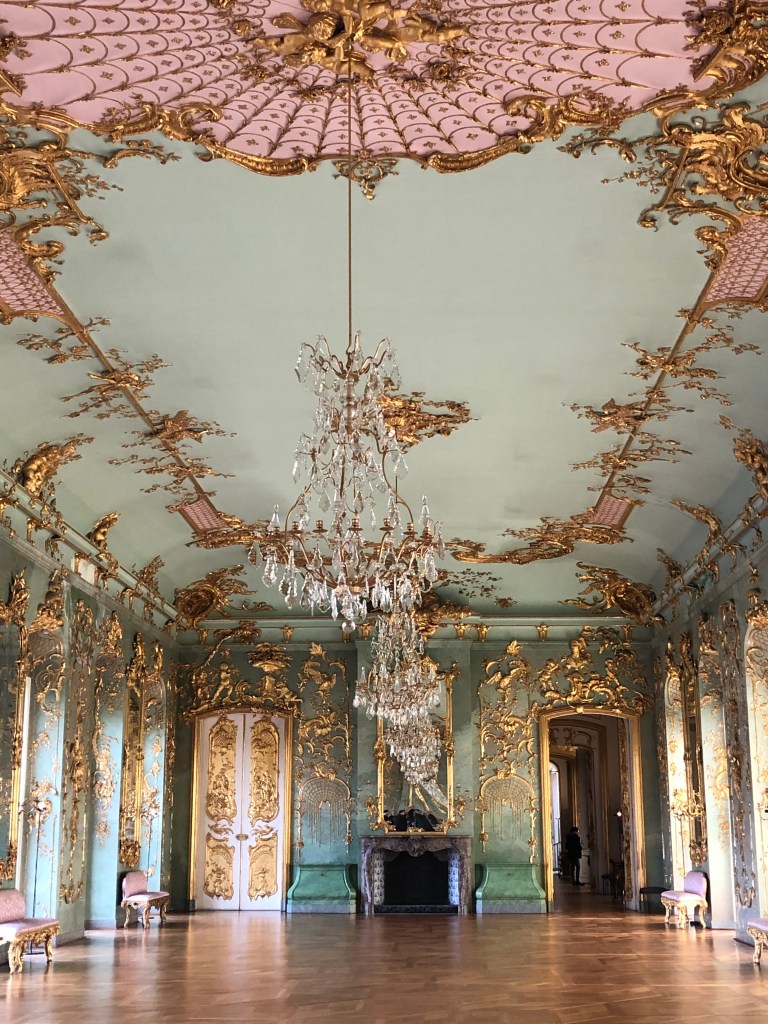
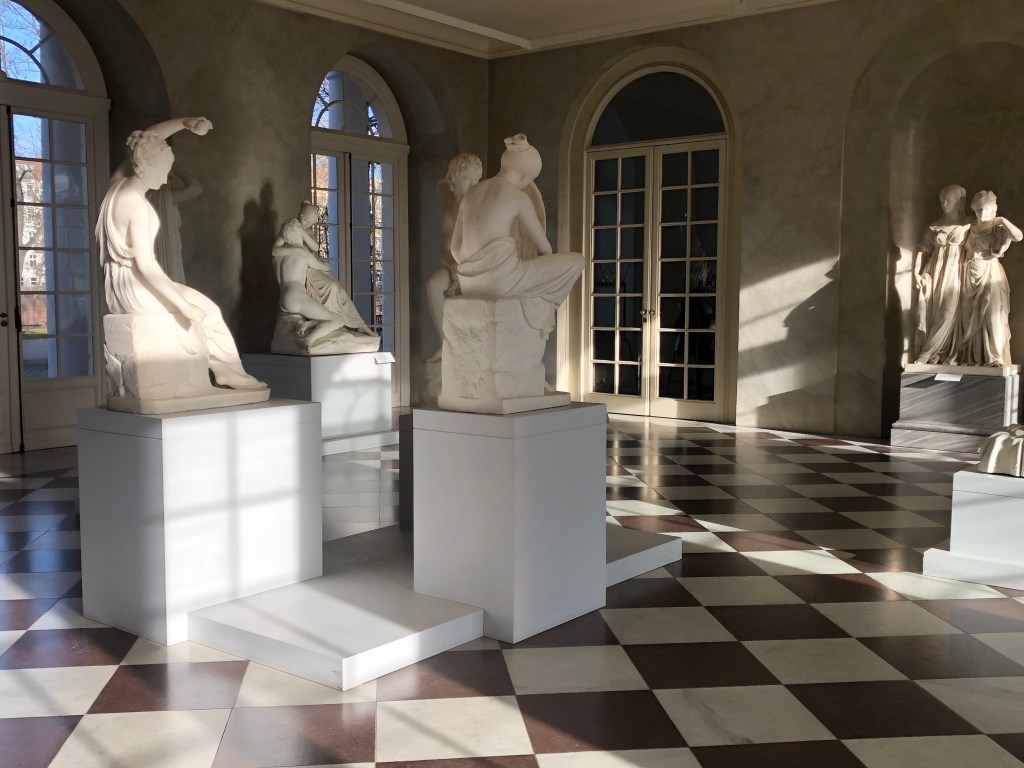
Charlottenburg was probably one of my favorite days. It happened to be my first day out on the town, but the artifacts that filled the palace just blew me away. I saw rooms that I had seen in my text books, like the Golden Room that was used for balls and large events. It is decorated in the Rococo style that I personally find so beautiful. I saw fine China that filled an entire room from the ceilings to the floors and a little more scattered here and there. There was the portrait of Napoleon Crossing the Alpes. It just might be the most well-known portrait of Napoleon Bonaparte, done by Jacques-Louis David.
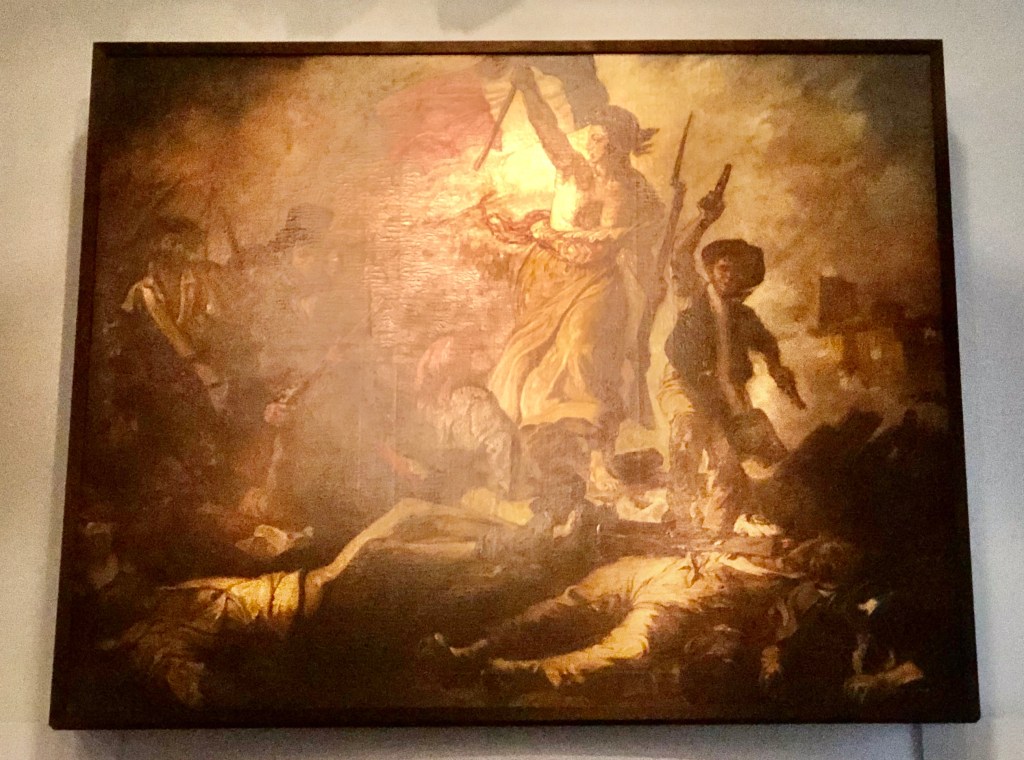
The day we went to the German Historical Museum was another phenomenal day. On that day particularly, we were on a guided tour through the section of the museum that exhibited outcome Germany was faced with post-World War II. However, we were able to explore the museum a little bit after the tour, and I was able to see the pieces of German history that were from the very beginning. Grant and I explored, and I was able to see a painting I had seen a million times before in print or online, but never in person. Liberty Leading the People by Eugène Delacroix. However, I was a little skeptical that is was the original, only because it was put it a rather odd spot in the Museum, and everywhere I looked online said that it was located in the Louvre Museum in Paris, which makes more sense, since it is a painting about the French Revolution. Either way, it was amazing to see, and it was very rewarding that I was able to identify the artist, the title, and the context just by glancing up at it. I guess my art history teachers have been doing a good job!
So has Sara. If someone showed me the Berlin Dome, or the Tv Tower, any of the buildings on Unter Den Linden, I could tell you all about them. I have a mental timeline of the history of Germany permanently engraved in my brain, all the way from 1200 through to reunification in 1990 and a little bit past that.
After this trip I feel like I have learned more than just academic materials. I usually have a hard time letting people in, and making friends. I have a streamlined goal and usually if someone is not in the same boat as me, and I separate myself. Being with students for 17 days though, doing that would make for a very lonely trip. Through a sort of forced closeness, I have realized that sometimes when people have personality traits that don’t mesh with yours, you balance each other out. It’s an “I’ll keep you wild and I’ll keep you safe” kind of thing. We definitely had a few of those moments.
I definitely would want to go on another study away. I was prompted by another professor to look into the study abroad to Florence for a semester. In the beginning of my time in Germany, I was sure that was never going to happen. Looking at my trip now, however, I think that is something I definitely would like to do!
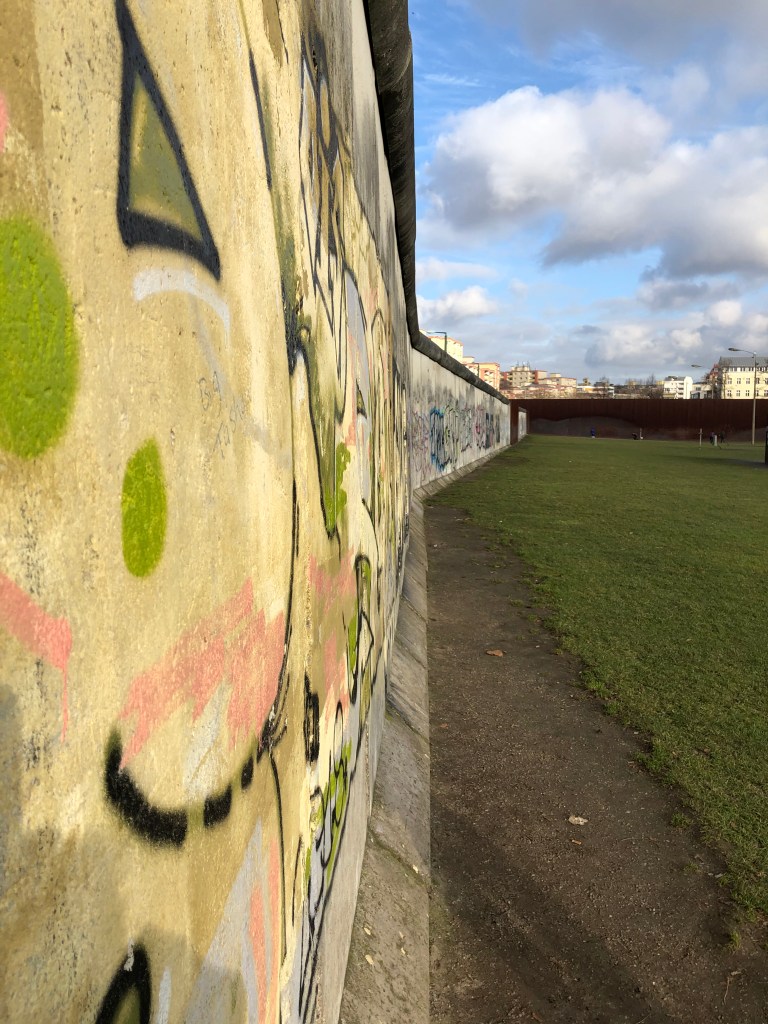
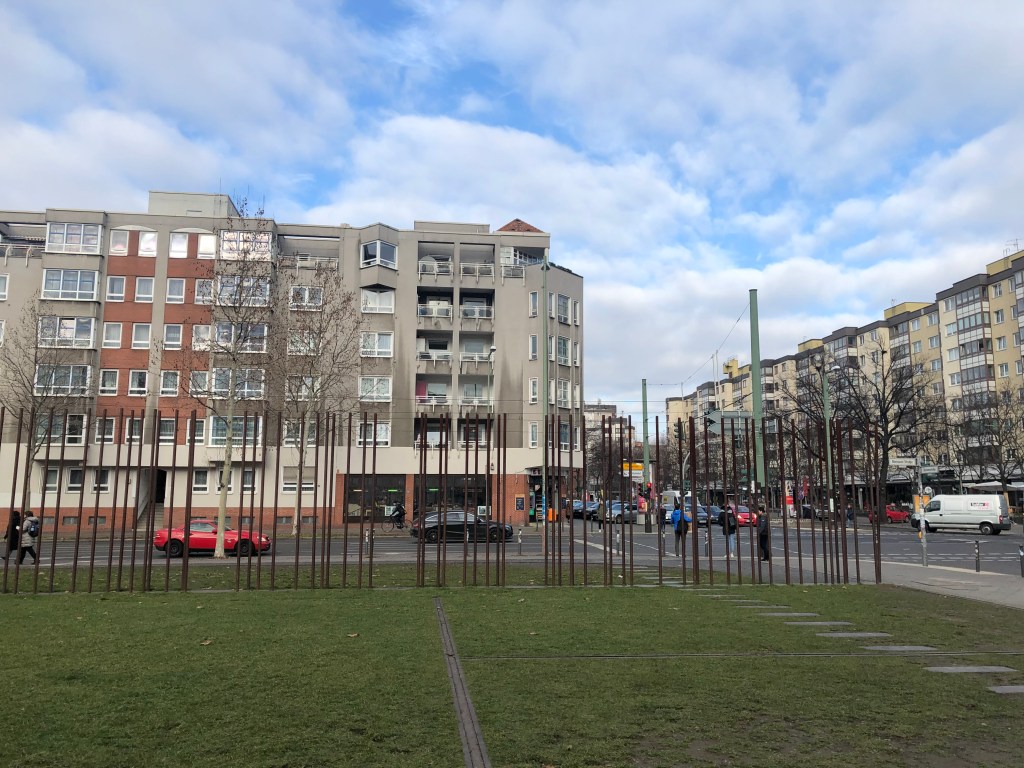
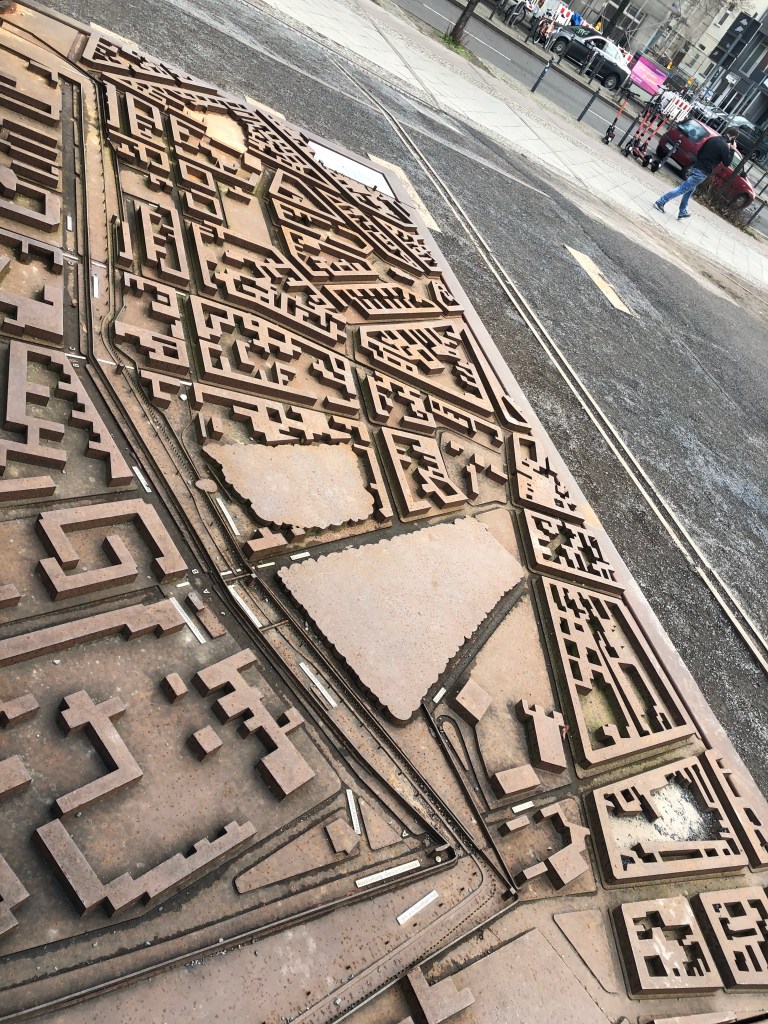
The process of bringing two pieces of anything together is difficult on paper and in reality. If you think of a puzzle, the pieces fit together, and they were originally made as one, but then they were cut and separated. Even when you find its place and put it back together again there is still a line. There is still a clear division where the pieces are joined.
Germany is just the same, its long history of separation dating back to the 300+ states that were settled in the 1800’s all the way to the separation of the East and the West after WWII. The reunification of the East and West was possible on paper, you can tear down the wall and change the zip codes and call yourself one country, but the cultures have grown in different directions and the people have lived with different morals and ideologies. The legal side of the unification was very successful when you look at that, isolated from the cultural and societal reunification, it was speedy and very successful. When looking closely at the way the people were affected by the joining of the East and the West, it was less successful. There was economic instability, and lots of tension between the people of both sides. The rebuilding process that took over after the reunification seemed to want to erase the East entirely and create a Germany that was all like the West had been. Capitalistic and Americanized. The West tore down buildings that the East had fond memories of, they removed structures and replaced them with new malls and shopping centers. Never asking the Eastern Germans what they wanted.
Through many of our tour guides we have learned that there are still people that grew up in the East that think of themselves as East Germans. There are still people that recognize the differences between the Easterners and the Westerners.
I think that before this trip a lot of what we were taught about East Germany was that they were bad. They were all communists and socialists and that was why we needed to liberate them from this horrible form of government and enforce democracy into their country. Now that I have been able to see both sides, I don’t think that reunification was successful. I think that it was positive for some. I think that the government in the East was not good to all of its people. It was oppressive and violent. However, if the reunification was going to be successful, they should have melded the ideals of the people on both sides together. By tearing down Eastern buildings they took away the say of the people the same way that their government took away their say.
The memorials that we went to had a lot of the wall incorporated. I think that the inclusion of the wall is also part of what keeps it separated. You are able to see it, walk around it, and you are free to be on both sides, but the wall being in its original place, still separating streets and people doesn’t allow the two sides to reconcile with their past. Berlin becomes a constant reminder of everything that happened. Its a city that is basically one big memorial, and people just live in it. Is it fair to tear down the wall completely? I don’t think so, but how much of the wall is necessary to get the point across. I am only here visiting, looking, observing, and studying. Do the people of Berlin think of the memorials as a burden? Do they feel like they are weighed down by the mistakes of the past? I think the separation of East and West Germany puts different pressures on the people and the reunification doesn’t absolve that weight, in some cases I think it might heighten it. Its a hard question… but overall I think that it will be a task for all the people in Germany to continue to push for unity maybe forever.
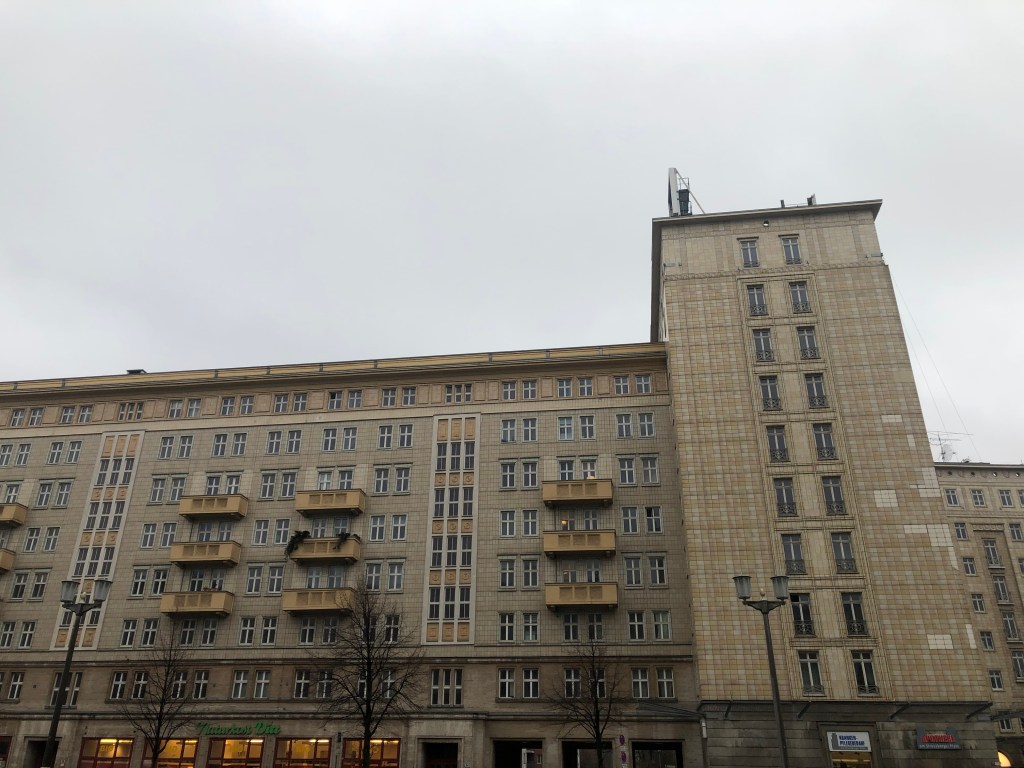
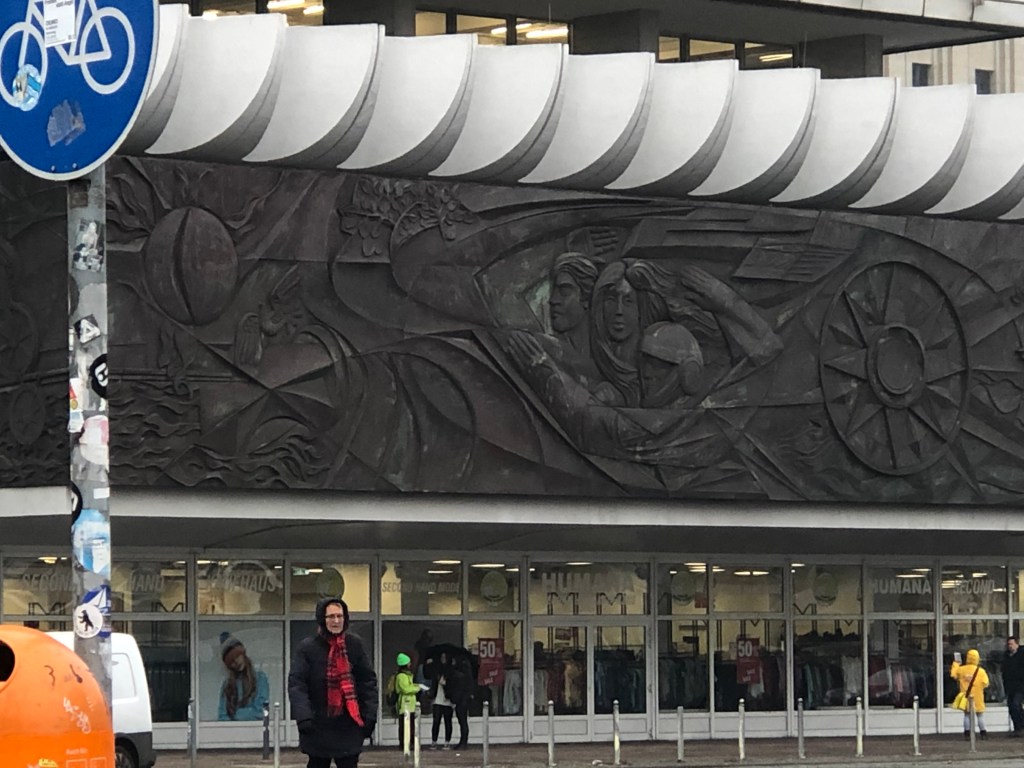
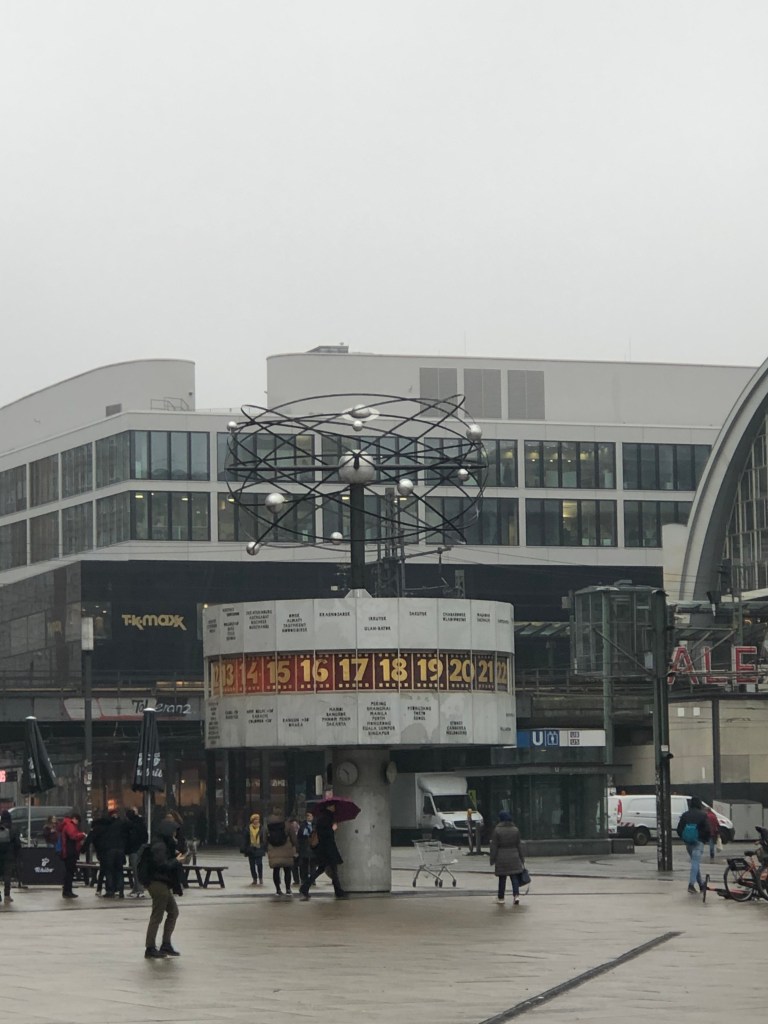

The Eastern German aesthetic has some key defining features. The cityscape is filled with large high-rise towers that are designed as apartments, there are buidings that have modern design and are embellished with art that coveys their new motivating message, and there are buildings that were thriving during the GDR, and that fell when the Germans became one people during reunification.
The large high-rise towers were a key feature of the cityscape. Especially due to the clean up effort, one of the first things they needed was housing. Large amounts of people without homes, therefore the easiest way to provide shelter is in these huge mass apartment buildings. Not all of these apartment buildings were built the same. Some were in less desirable parts of East Germany, and were at a greater distance from the central hubs. Others were in close proximity to all the hustle and bustle of the city life. These mass apartment buildings were of modern design, and used very simple forms and lots f windows. Some of the higher class apartments were decorated with ceramic tiles and ornamentation that followed the aesthetic of the older generation. Others had the same basic design, but were decorated with less ornamentation and often just a simple colored strip at the top of the building. These less ornamental buildings seemed more modern at the time and followed the new aesthetic that was building from the younger generations.
The buildings that were erected in places like Alexander Platz, had a new feature, the mural. These buildings were also very modern, that was not going anywhere. However, East Germany was determined to prove its independence and show its success. These murals that now were built into the design of these buildings, showed the socialist ideals that highlighted the working class and exposed the technological, scientific, and other great advancements. The bronze mural that is on the building in Alexander Platz is a prime example of this. Another is the mural that is on the Haus des Lehrers. This one is multifaceted that depicts many of the focuses and advancements of the GDR, like, art, agriculture, science, and more.
Along with these new buildings that popped up, there were others like the Café Moskau that was a hip and hopping place during the time of the GDR. It was used as an event center and a party building for the upper class youth. This building like many others that were built in the 1950’s to the late 1980’s became abandoned and lost their importance when the two Germanies unified.
In comparison to the West, the Eastern aesthetic is similar to the West. The East, likely because of their economic issues as well as their socialist ideals, were less interested in the capitalisms that the West was obsessed with. The East was more concerned with the building of homes, and then the building of structures that served a function as well as displayed their societal advancements and goals. It does seem at times that the East was in a sort of competition with the West, however, it also seems like the East was focused on being an independent and successful GDR.
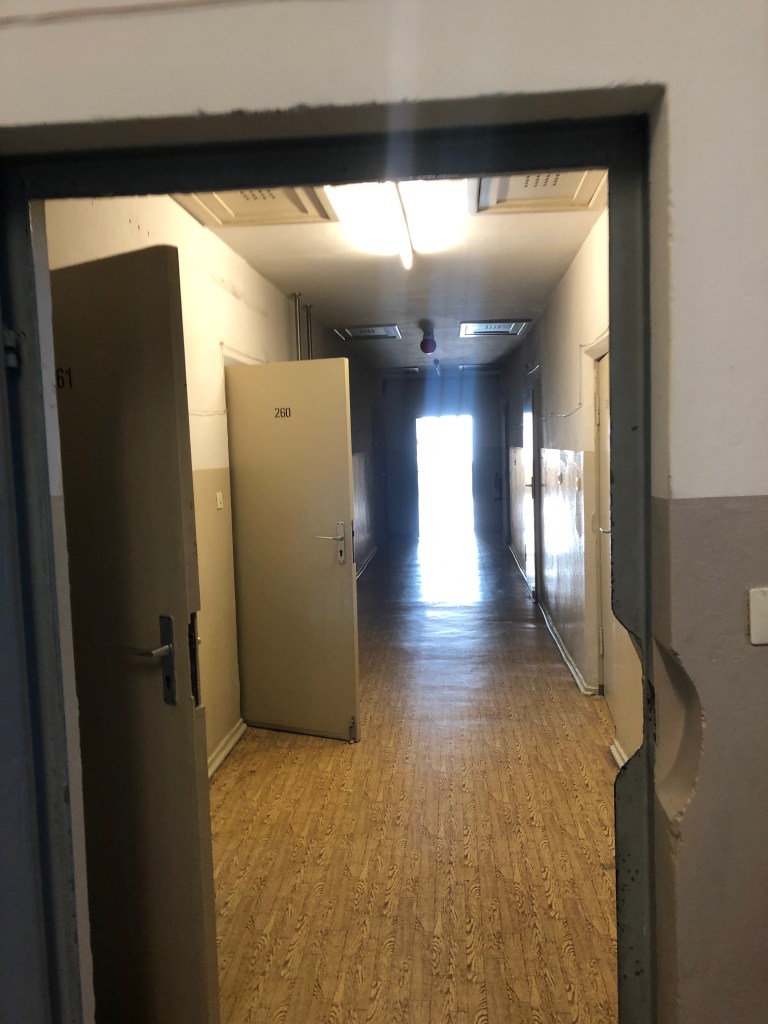
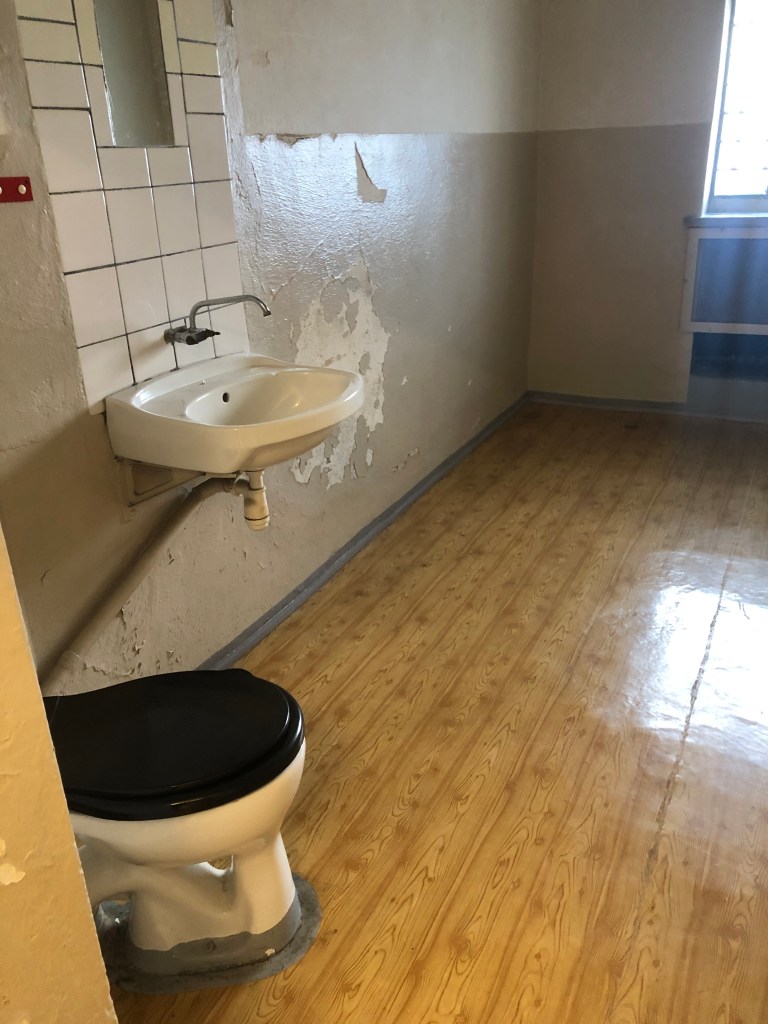
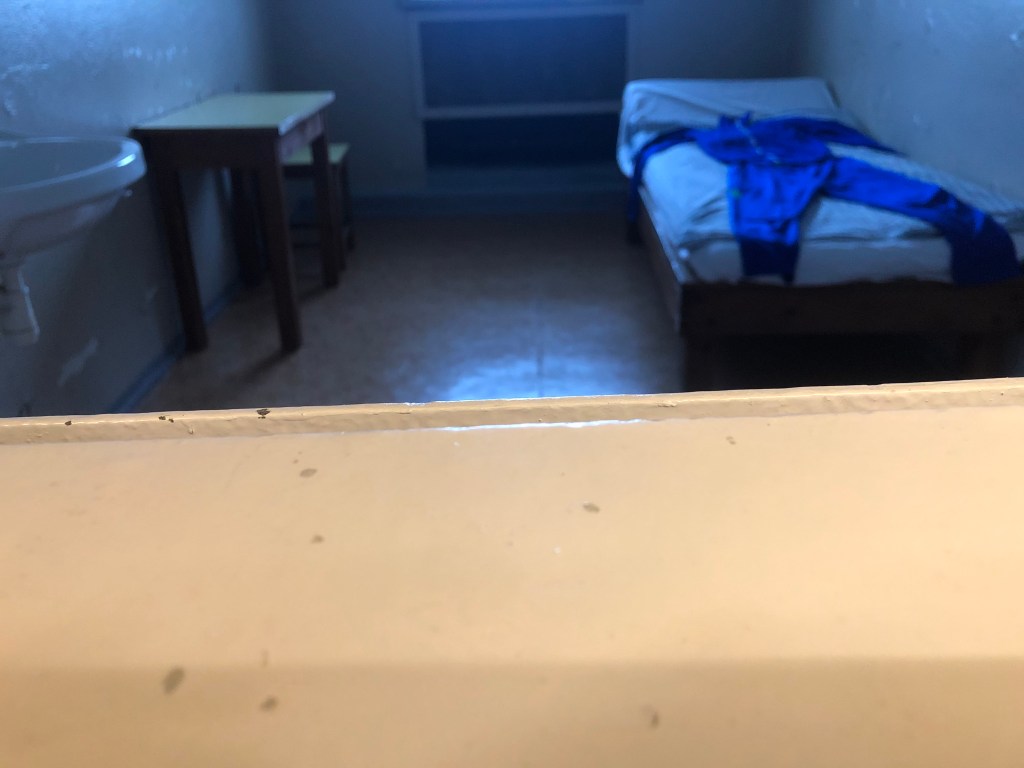
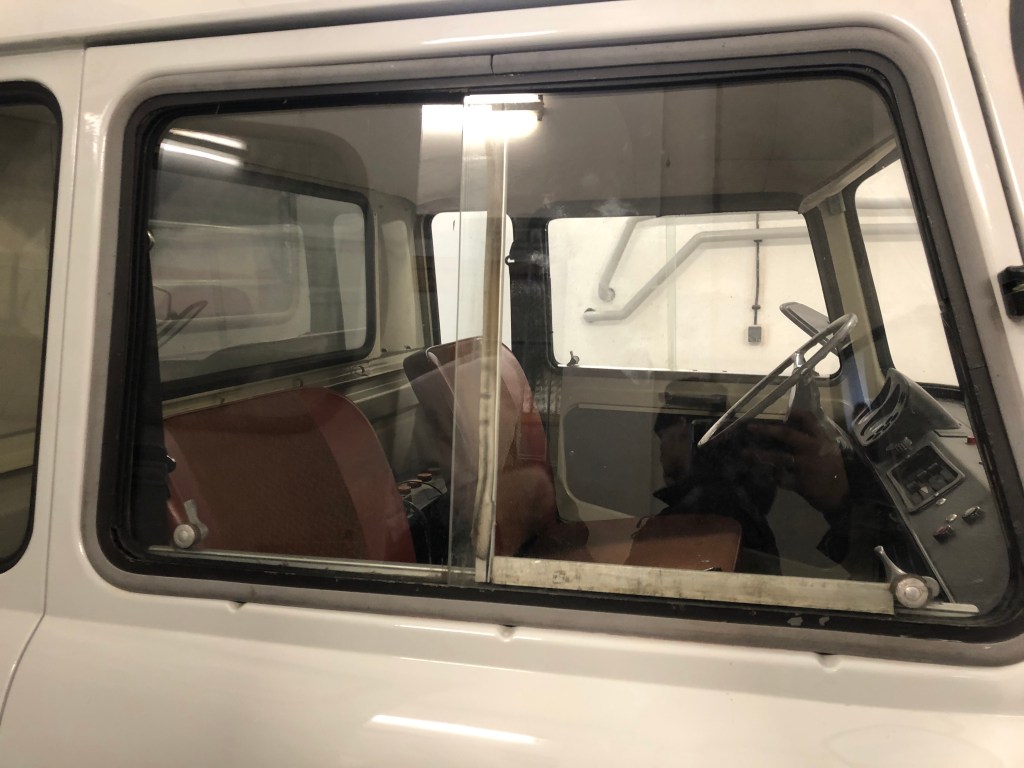
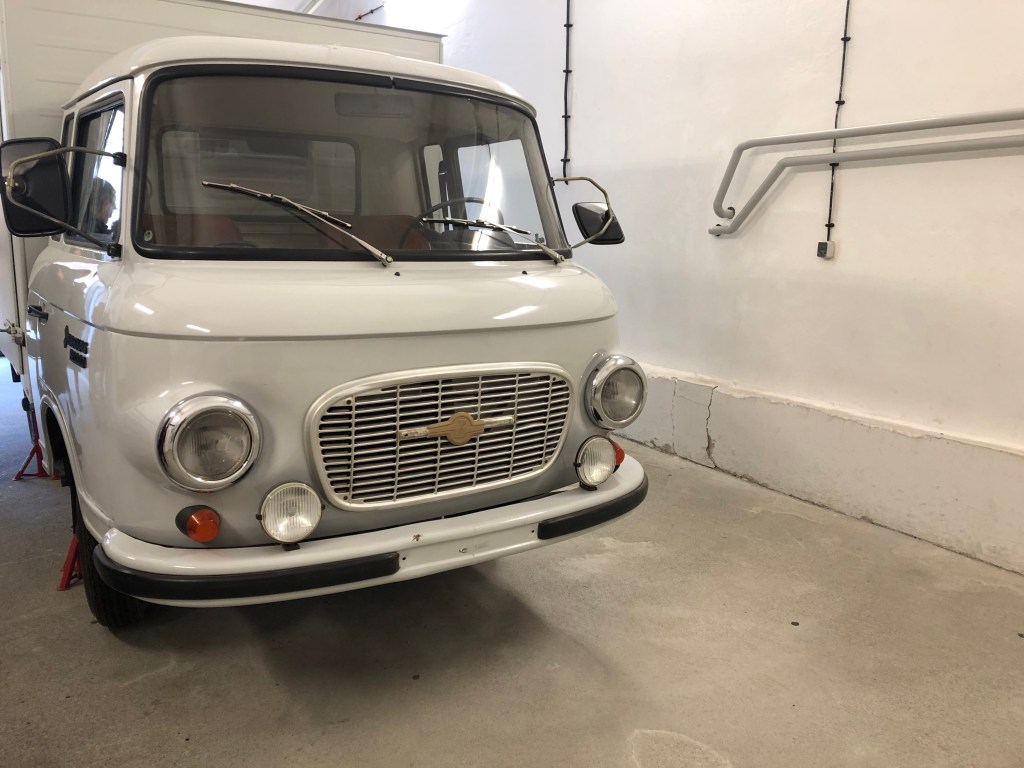
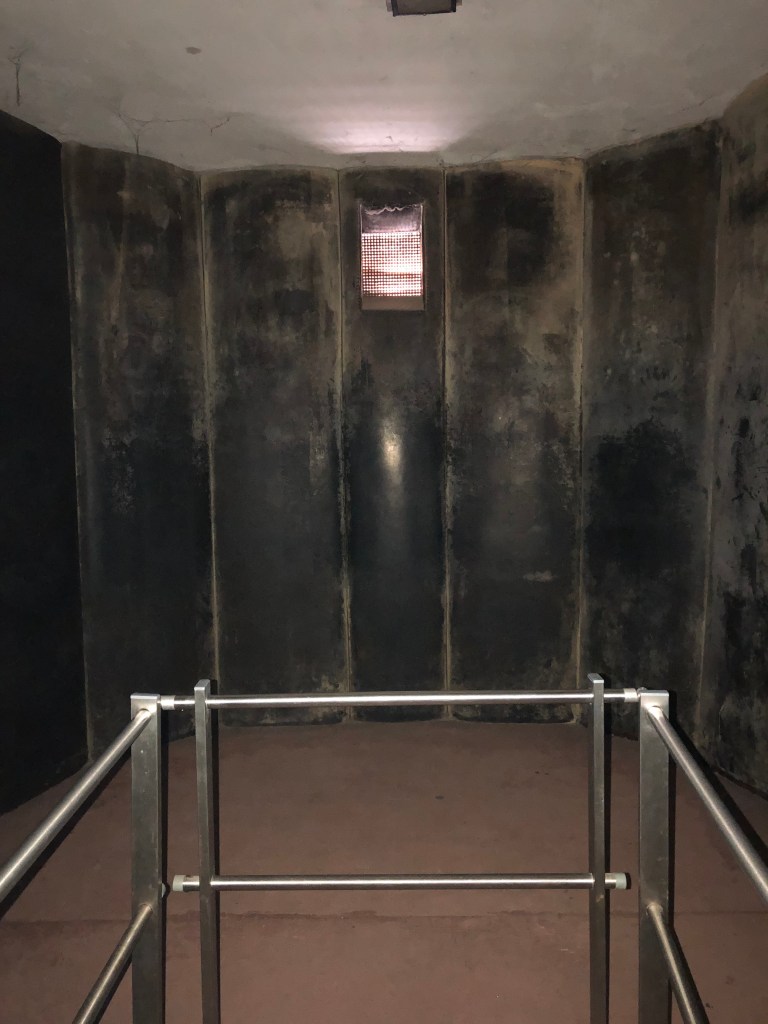
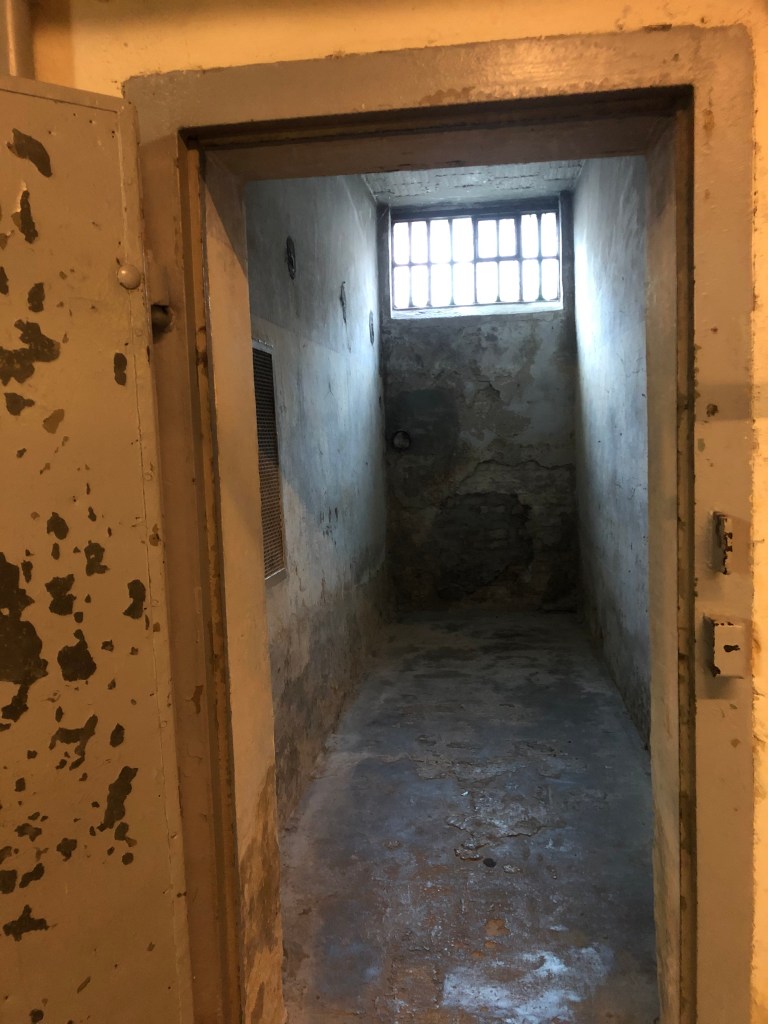
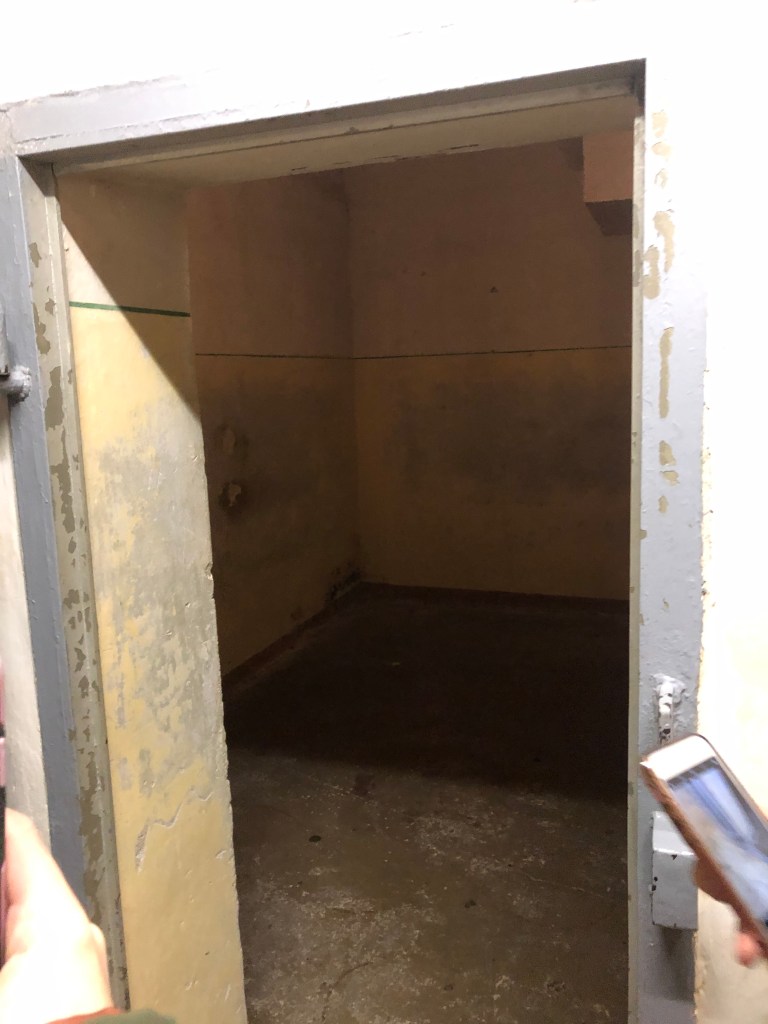
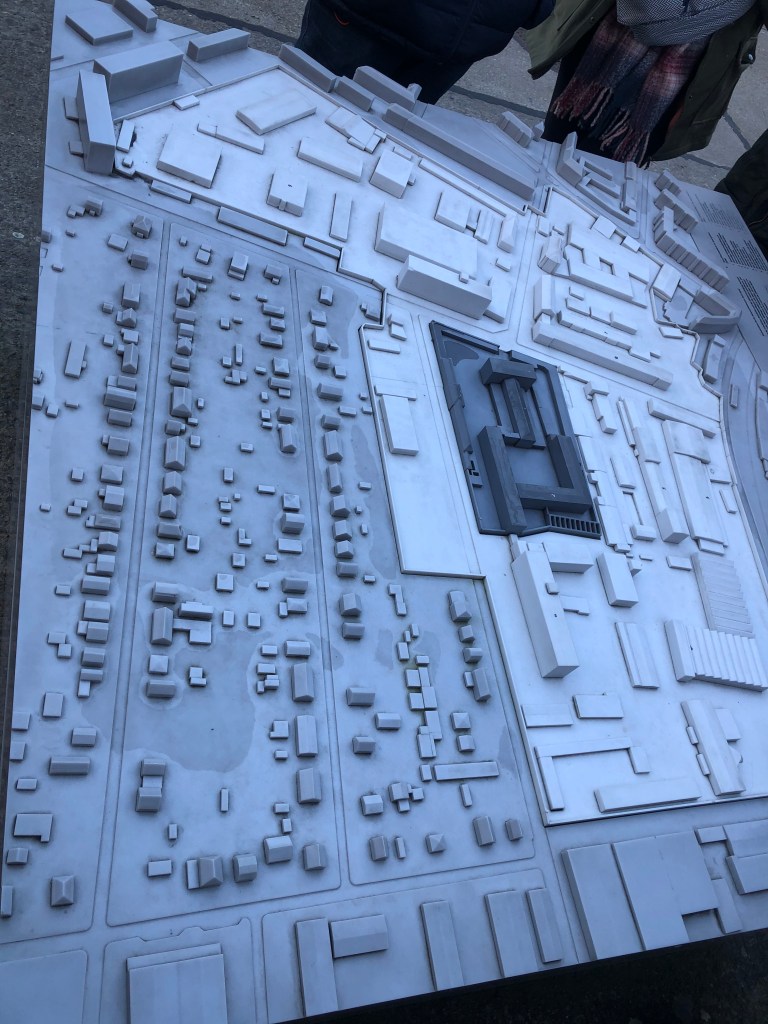
Today we were able to take a glimpse into the security of the Soviet Union. We entered the former Stasi Jail, and looked at all the tactics they used to manipulate and control their prisoners and their people. The GDR was meant to be a democracy, the German Democratic Republic, however the name is misleading now that we are aware of all of the innerworkings of the government that did not hold up to the democratic promise. The Soviet Union was anything but transparent with its government.
The Stasi was the secret police that emerged. Their headquarters did not appear on a map, and their men could not always be recognized. Then, within this secret police layer, there was another with civilians that contributed to the knowledge of the secret police and the government. These were called the informal informants. This secrecy was necessary for the Soviet Union to maintain power and control over its people. The Soviet Union was able to have eyes everywhere. This translates into the jail as well because the jail originated in 1951 where they used the basement of the kitchen as their isolation cells, and they disguised the perimeter to look like an army base. They controlled the people that lived in the neighboring towers. With this secrecy the people had an easier time ignoring the red flags that popped up because they didn’t have enough information or knowledge to stand up, and that gave the Soviet Union the ability to continue its crimes.
In the Stasi Jail, there were many security tactics, and tactics that were meant more for psychological torture than for the safety of anyone. When men were picked up to come to the jail they were crammed into a small truck with five small cells and a guard sitting in the front. They drove around sometimes for housing order to confuse the prisoner and make it so that they were unaware of where they were or how far away they were from their families. The guide we had today was driven around for about an hour each time he went in one of these trucks, and it was successful in concealing his proximity to the outside world. He later found out that the Stasi prison was only two miles away from his parents house, and he knew of the place he was in but from a different exterior look.
The prisoners were also not allowed to see other prisoners, nor were they allowed to see the guards. They had a red and green light system that prevented them from accidently seeing. This was partially because of security purposes, so that the prisoners were not able to identify the guards and so they were not able to connect and rise up with other prisoners, but it was also a psychological tactic that made the prisoners feel isolated and alone to the point that the Stasi is able to manipulate and extract false information to support their own façade.
A lot of the security that comes out of the jail and comes from the Soviet Union in general, was important because that was the backbone of their government. It allowed them to rule over the people with secrecy and total control. The informants were the best way to obtain information on everyone, and that was so well cared for that many people were unaware that their own family members were spies.
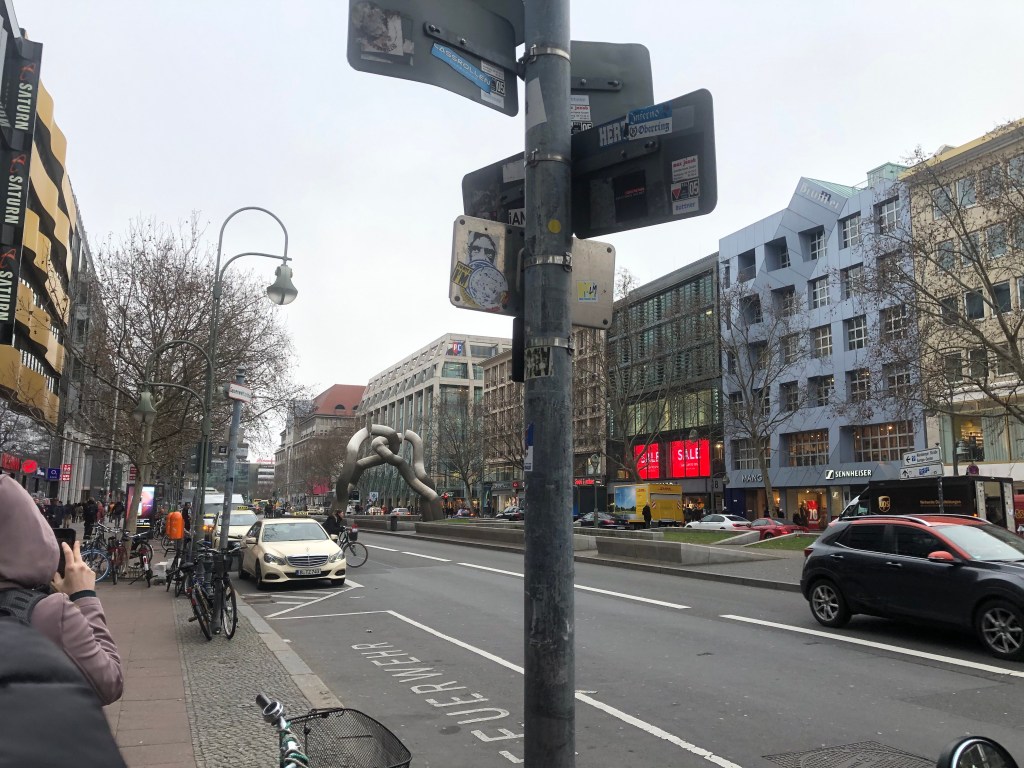
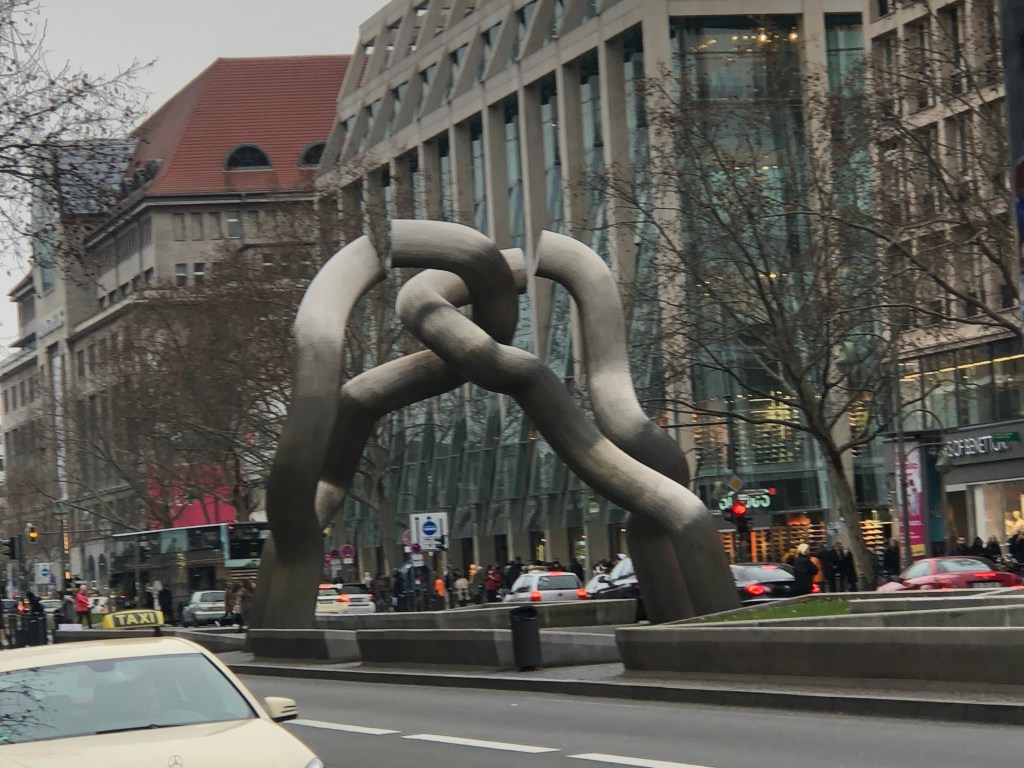
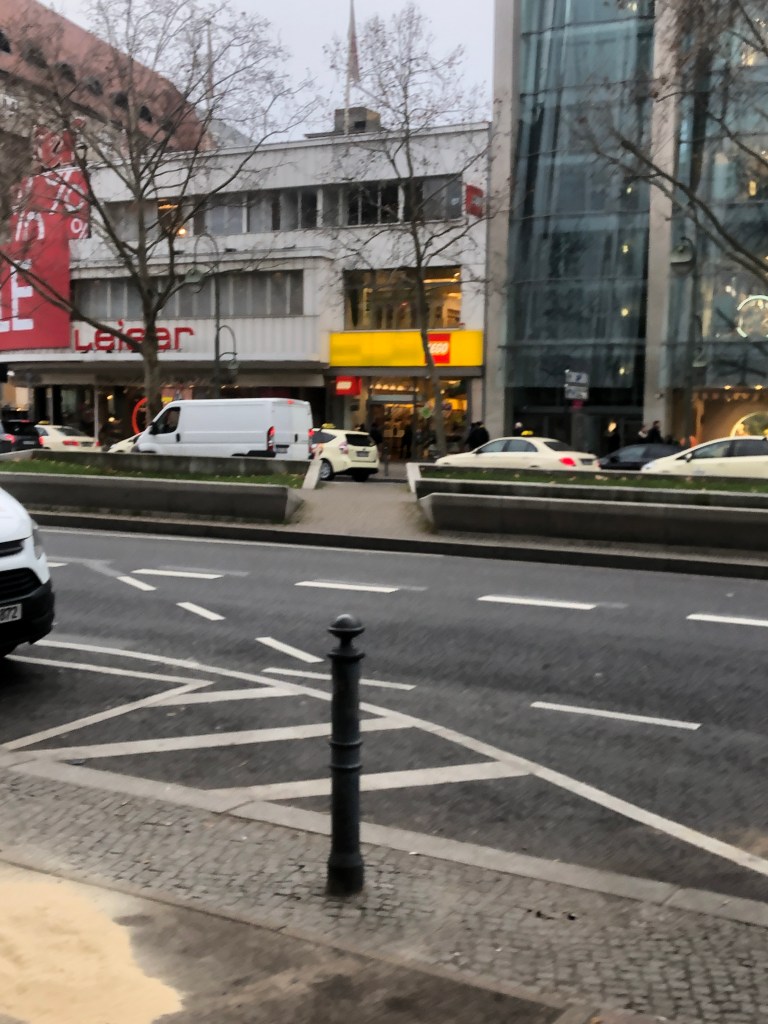
West Germany’s defining features are exactly what you would expect them to be. The West was ocupied by the US and therefore the Western side of Berlin looks very similar to a city like NYC. For a lot of Germany I have felt like I was in a foreign country. I have gotten used to the streets and the transit system, but I have always been aware that I was in a place unlike anywhere I had been before.
Today as we entered the heart of West Berlin I felt like I was in a big city in the US. Big flashy buildings, lots of glass, lots of the big electric signs and popular commercial stores. It was all about shopping and food and the normal city life that I am used to.
Many of the buildings are constructed with a modern flare, some Bauhaus inspiration and a buildings that were not ornamental, but were created with the intention of making them beautiful and enticing.
The memorials and early constructed buildings had the Bauhaus inspiration, but took it a little bit further and emphasized the overall look of the building rather than just a strictly stripped down and functional structure.
In comparison to what we have seen so far on the Eastern side of Berlin, you can definitely tell that the West was heavily influenced by the US.
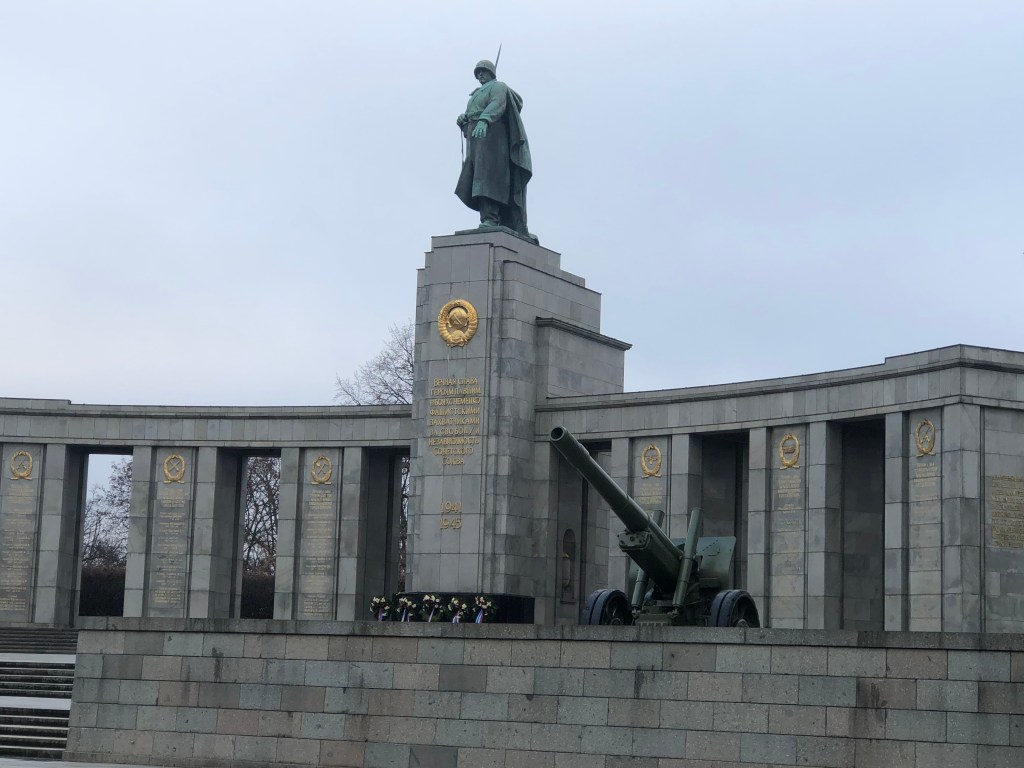
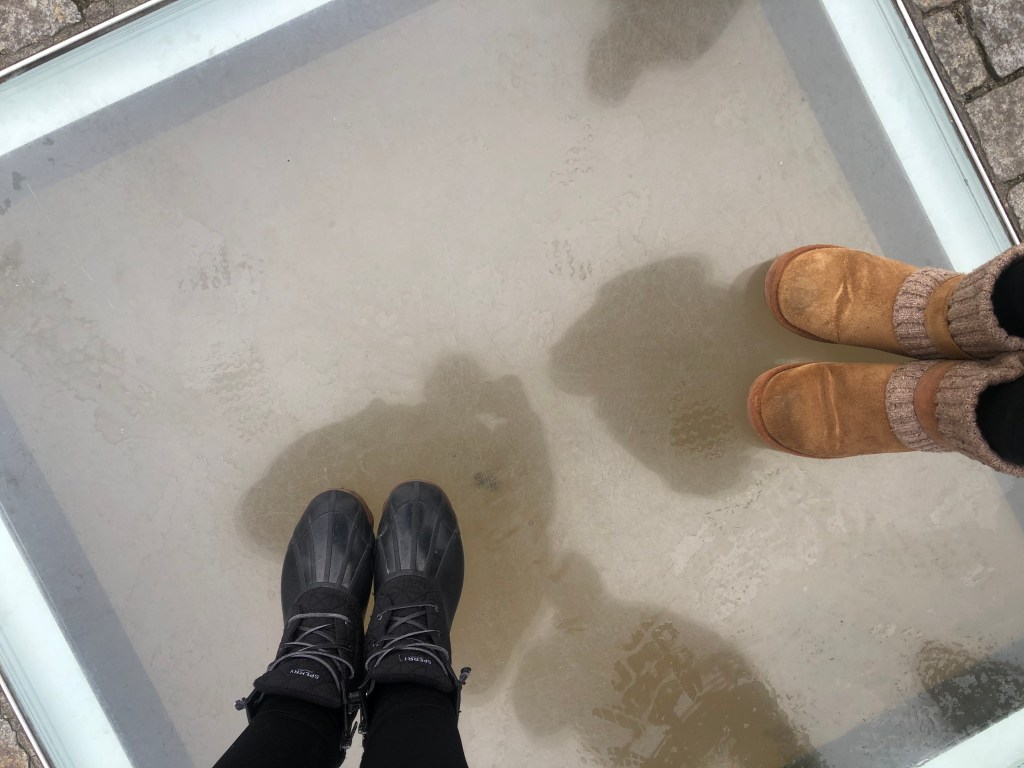
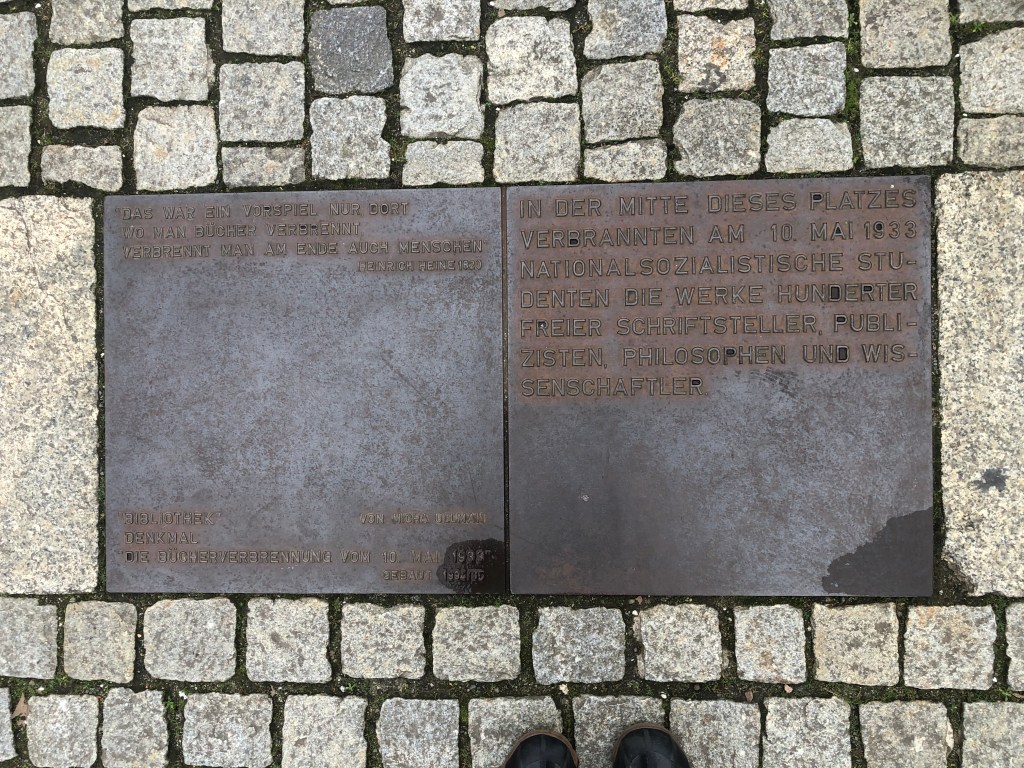
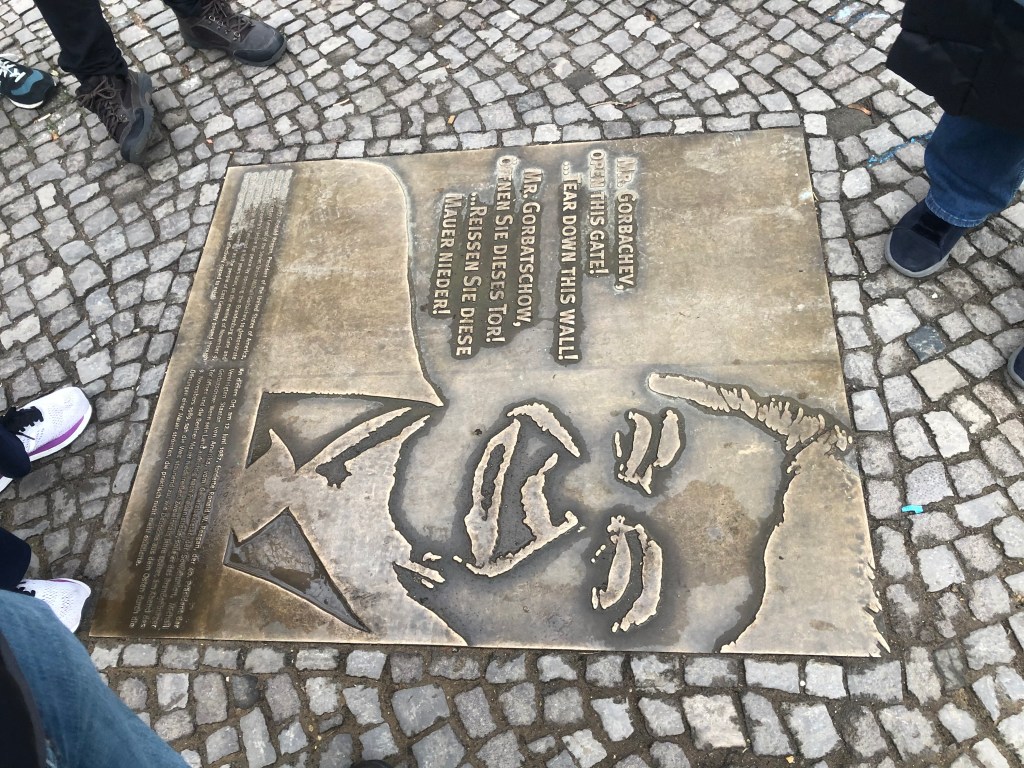
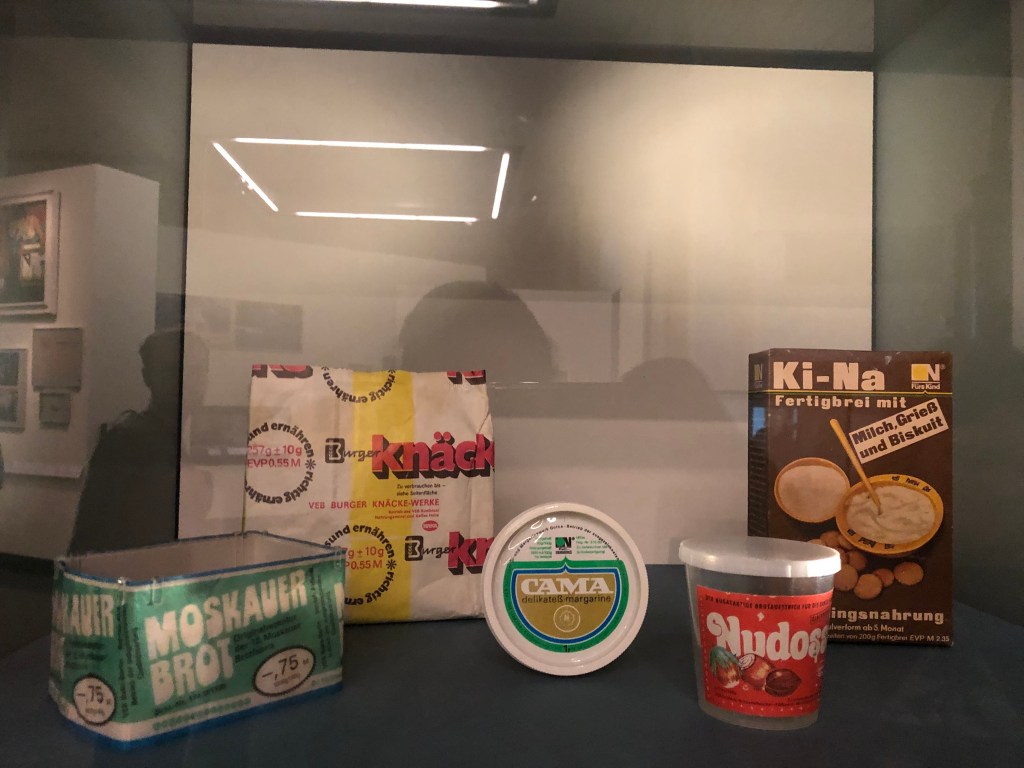
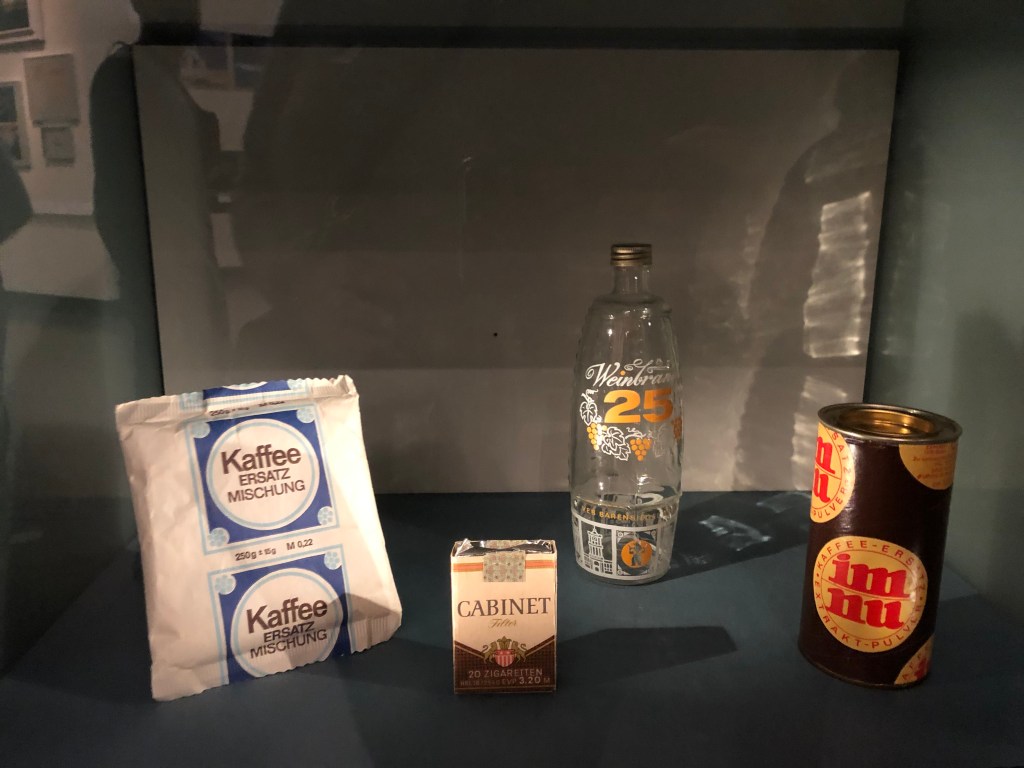
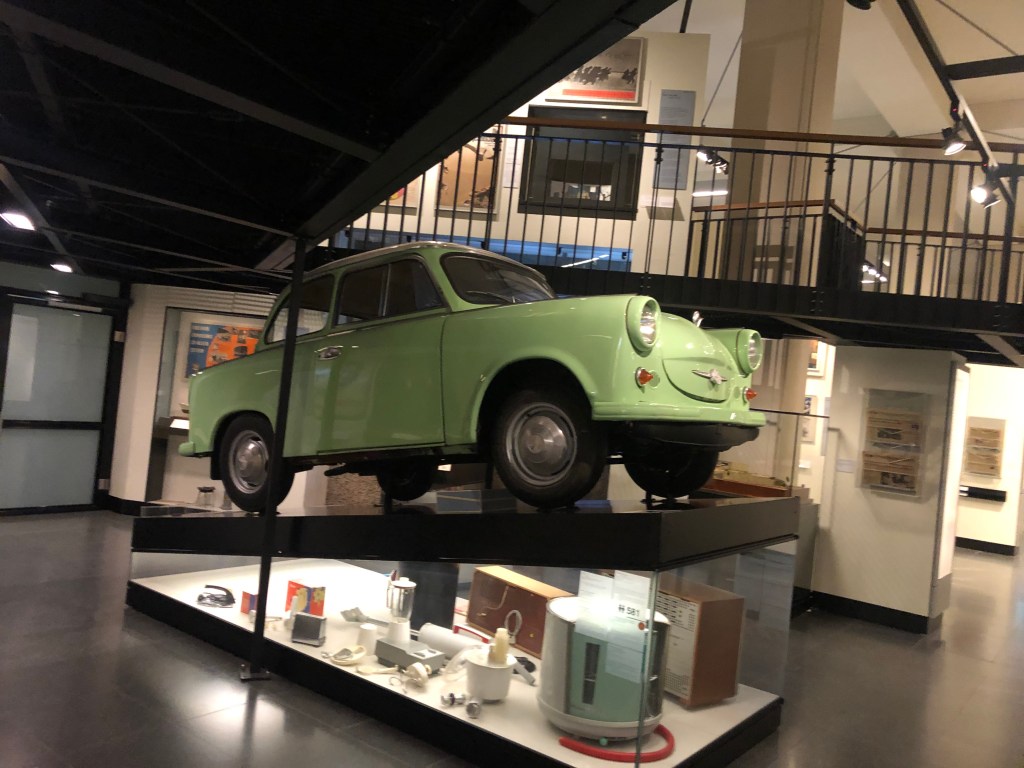
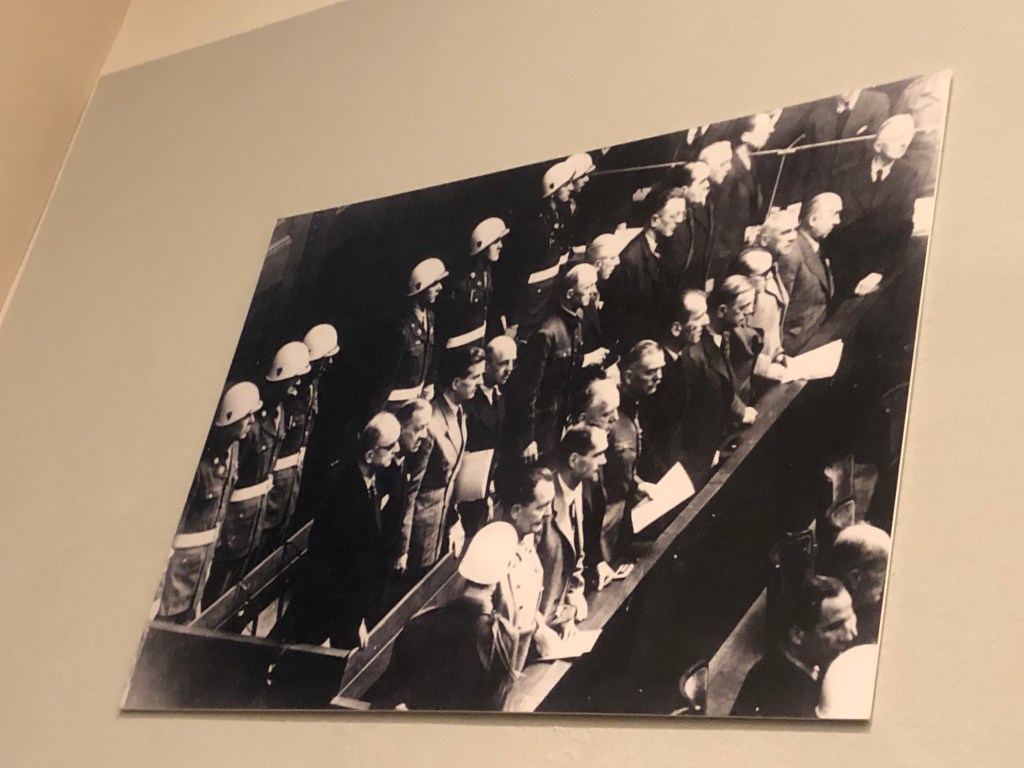
East and Western Berlin seem to shape memory in similar ways in my opinion. Both sides tore down buildings that represented things that they deemed unworthy of being remembered, and both sides erected memorials for the victims. That, is what I feel is the key similarities that the East and West have, however, there are also key differences that effect the social life, working life, and ideas of the people living on their respective side.
For example, the East lived under the socialists’ rule, which resulted in an effort of remembrance not only for the Jews, but also for all of the political people that were oppressed, because they felt as though they were victims on the same level of the Jews. The east worked on an equality basis, which meant that the way that women were seen was more feminist than the West. The West however, recognized the lack of realistic execution of the socialist government, and as the uprisings started in the East, the West emphasized the importance of the people through the renaming of the street that leads to the victory column as June 17th Street.
The East and the West were in a constant popularity contest. Each wanted to prove that I was better than the other, and the West wanted to prove that the East needed them and the East wanted to prove it could survive by being completely independent from the West.
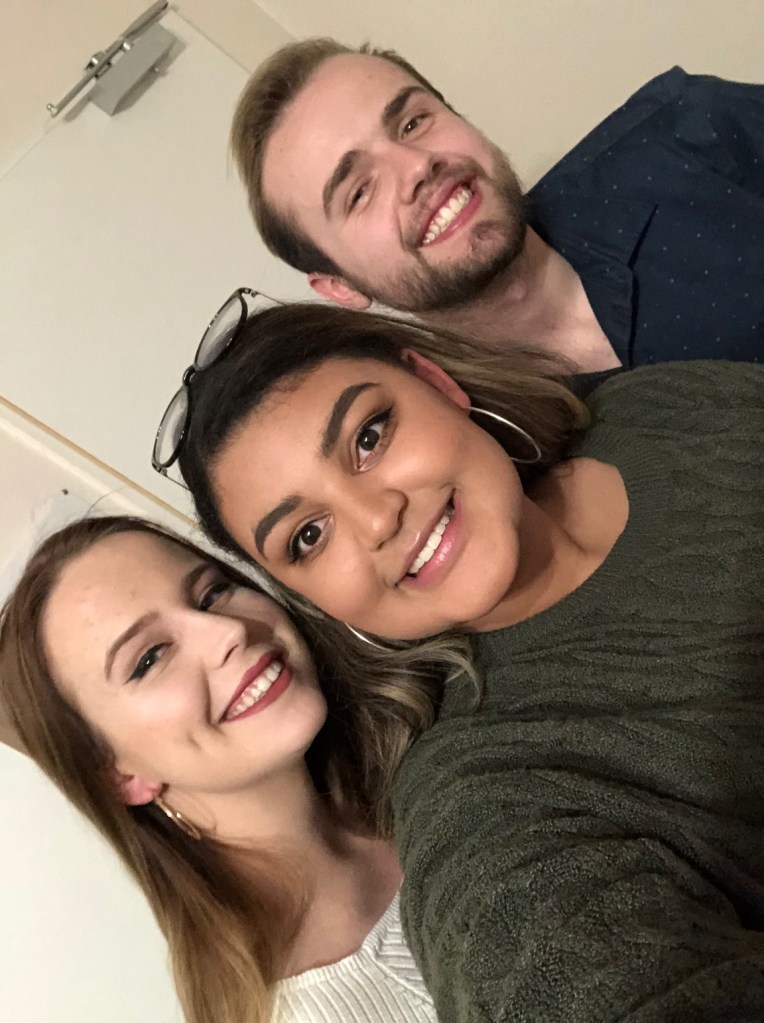
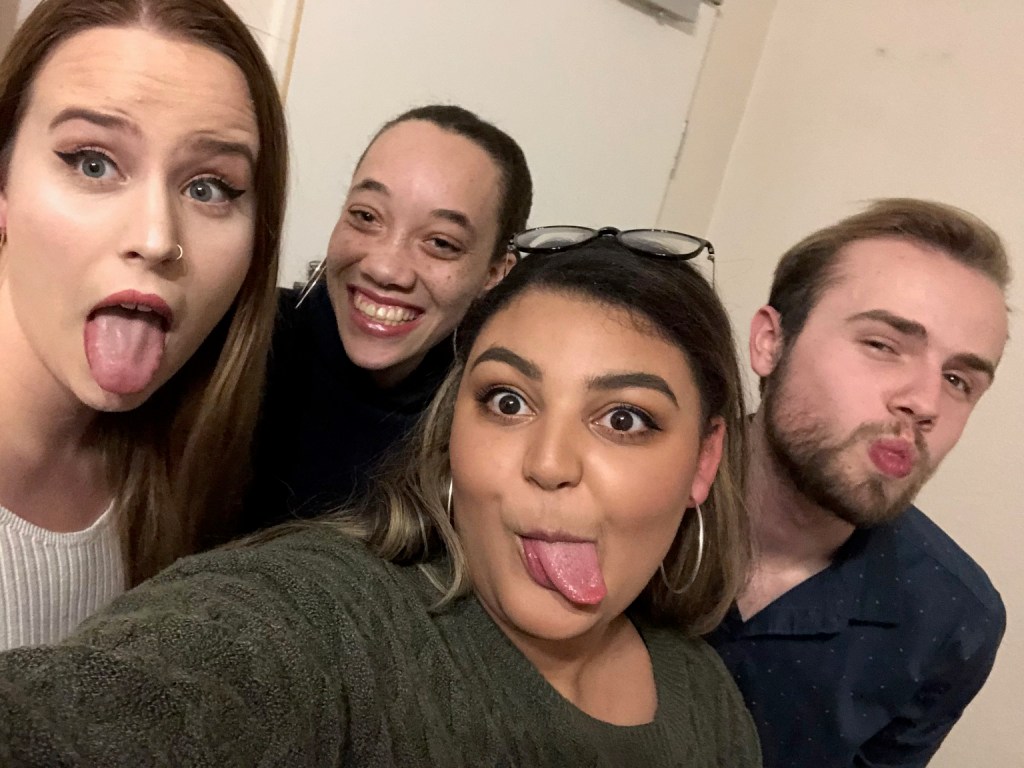
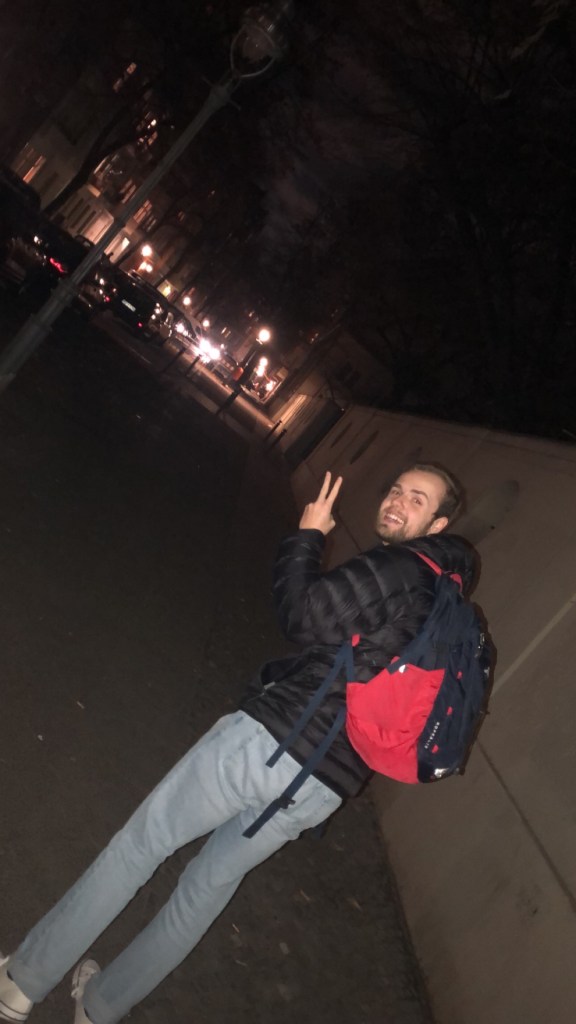
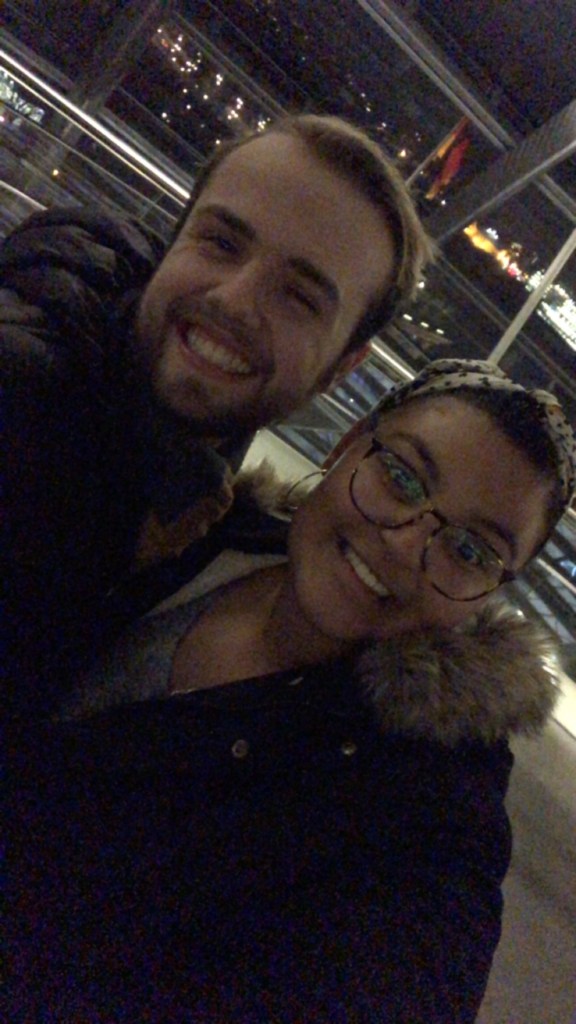
Last night was wild! But we won talk too much about that. All I can say is that good friends go out with you and great friends get you home safe. If you’ve read all my blogs so far you probably remember that I was very skeptical of making friends and having fun on this trip. Some of that because I was sick, some of that was because I was stressed, and some of that was a bit of an overactive imagination mixed with bad past experiences with friends. But on the free days and some regular school nights, Ive learned that I need to maybe have a little more faith in the people around me! I have laughed harder than I have laughed in a long time, I have smiled a genuine smile, and I have met people I truly care about. Everyday is a new day to experience something amazing with these wonderful friends.
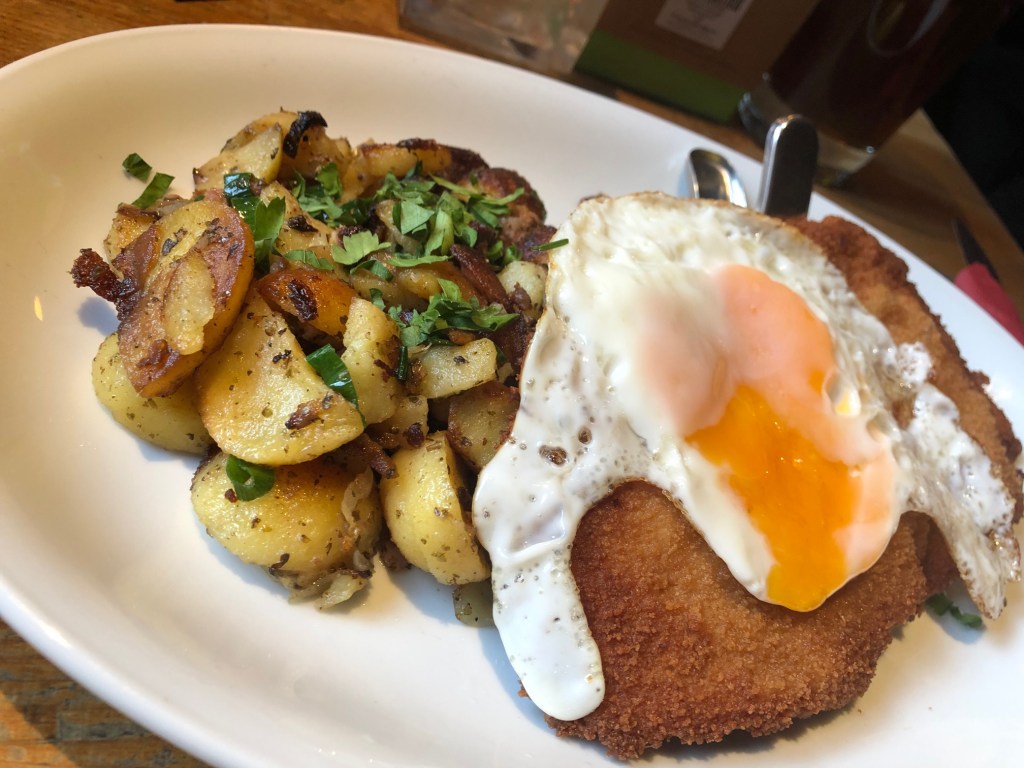
Today we slept in a little! I feel like you have to after the day after day of early mornings and walking 8 miles plus every day. After missing breakfast and taking nice hot showers with water pressure that makes me miss my shower back home, we started on our adventure for crepes. We didn’t make it to crepes… half way to our destination we realized that crepes were good but German food was where the real food was. So we stopped at this little pup and had the most amazing lunch, and large drinks with ICE! You don’t realize how much we take ice for granted until you get ice again after ten days with no ice. It was a revolutionary breakthrough in out food adventures!
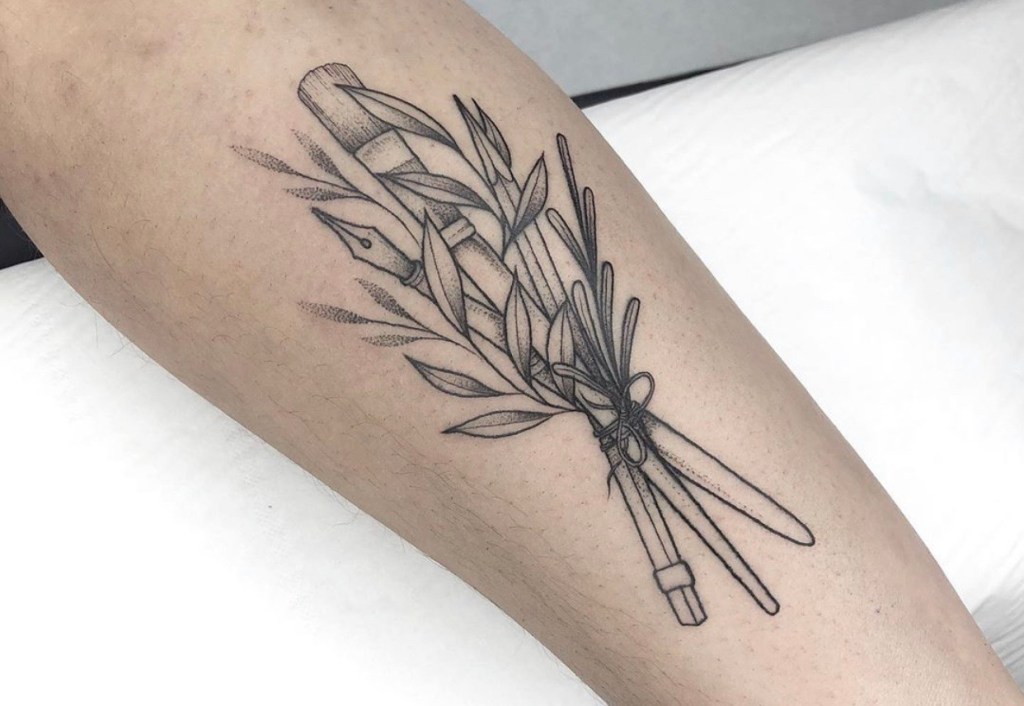
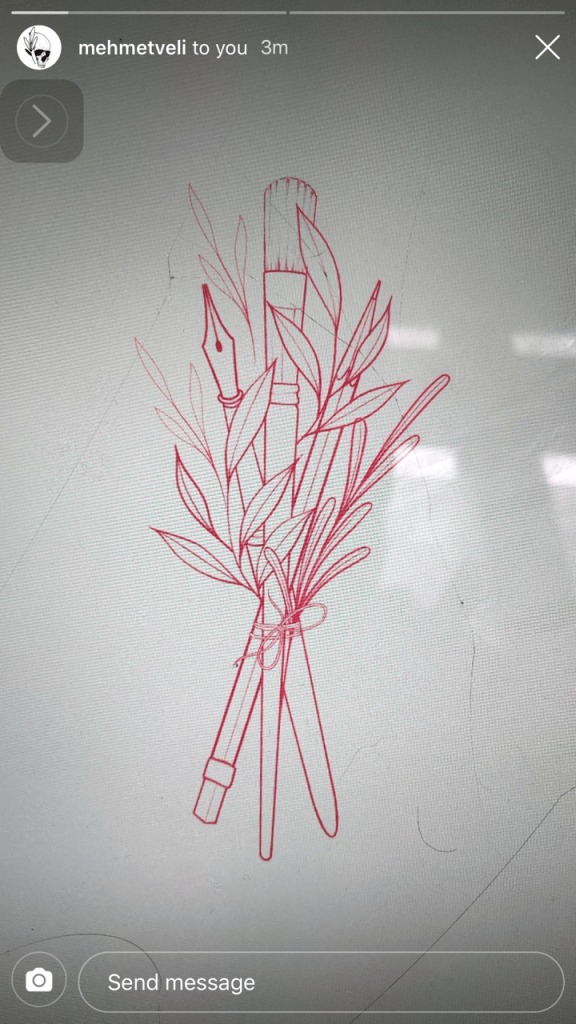
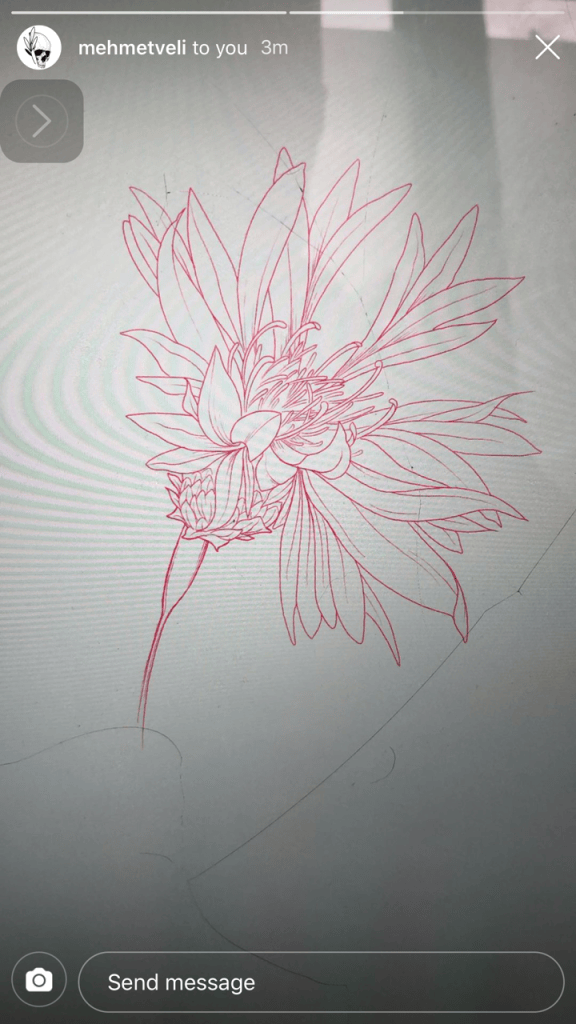
Then came the tattoos! Madison got really sick, and Grant needed his homework so he could do his work while I got inked. We journeyed on the M29 to the U8 to the U7 then walked a little over half a mile to the little coffee shop/ tattoo parlor that I’ve been waiting for since before I even landed here. We were in the ghetto, an ATM robbed me, it took 6 hours, but we did it! And I love them! And I love Grant endlessly for sticking it out through the thick and thin lines that are now permanently imbedded in my skin. He will never know how much it meant to me that he stayed. Sara, if you’re reading this, Grant definitely deserves some serious brownie points for this one!
Overall it was a good little break! I wish we could take Sunday off too, but Saturday will do.
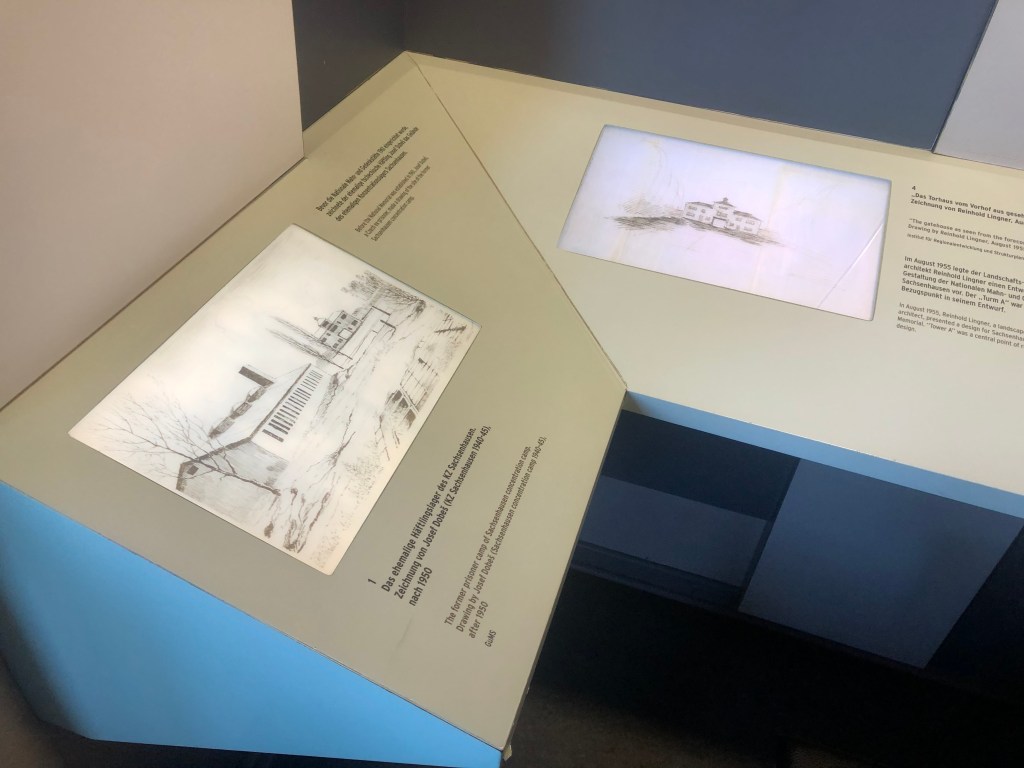
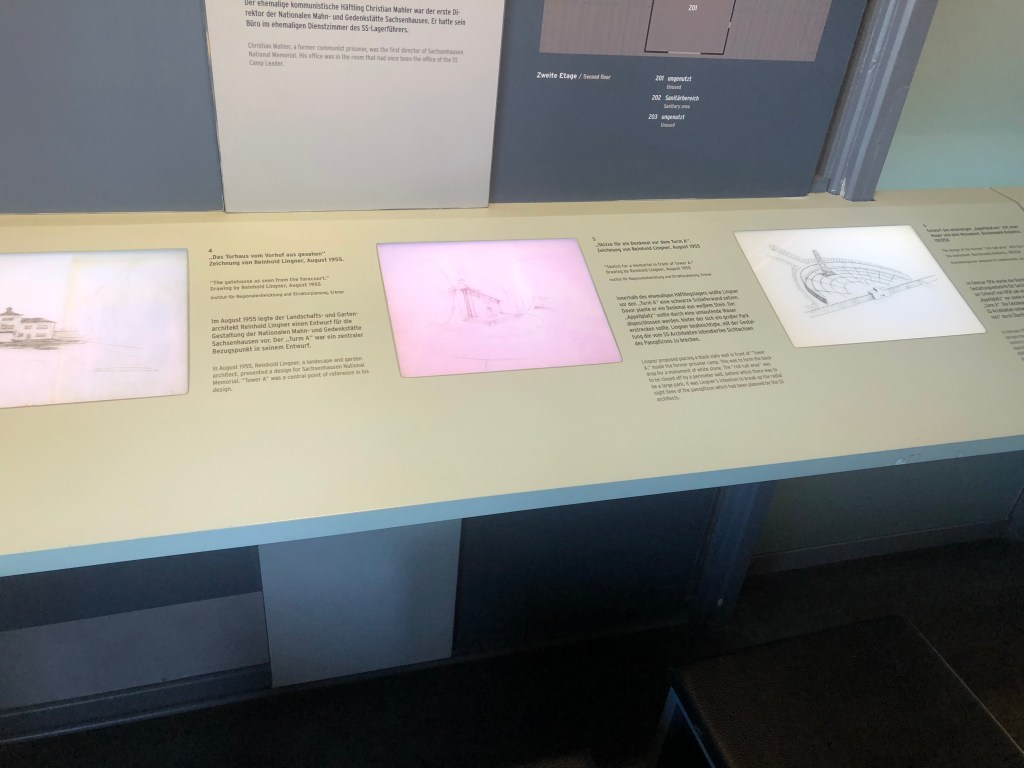
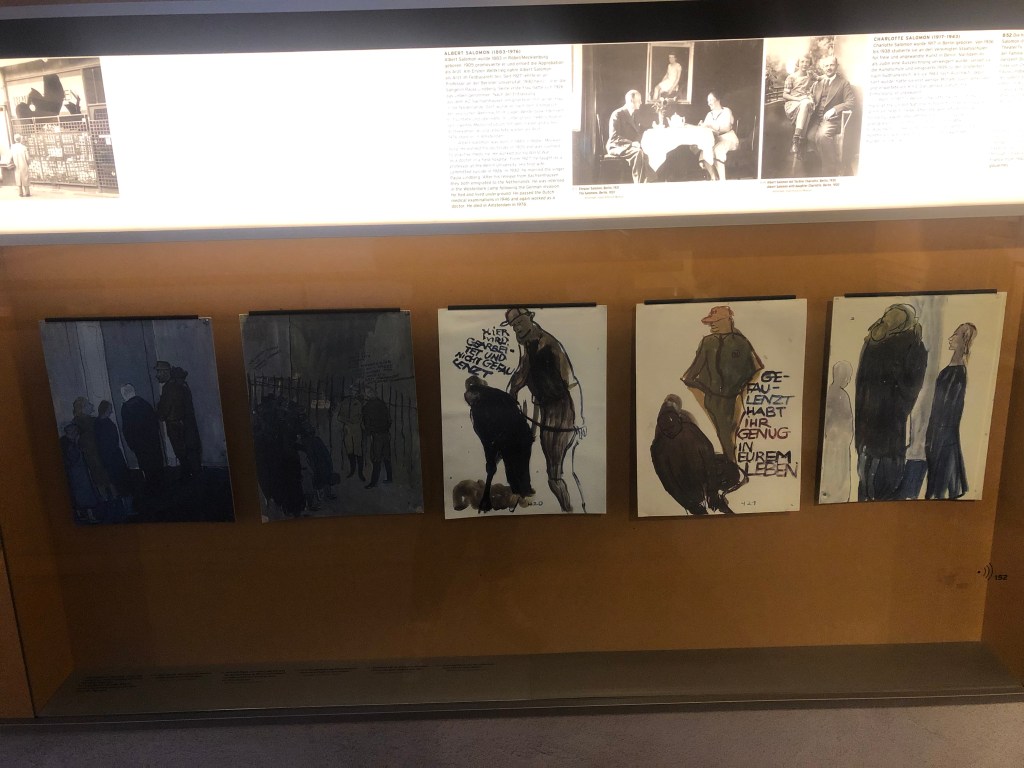
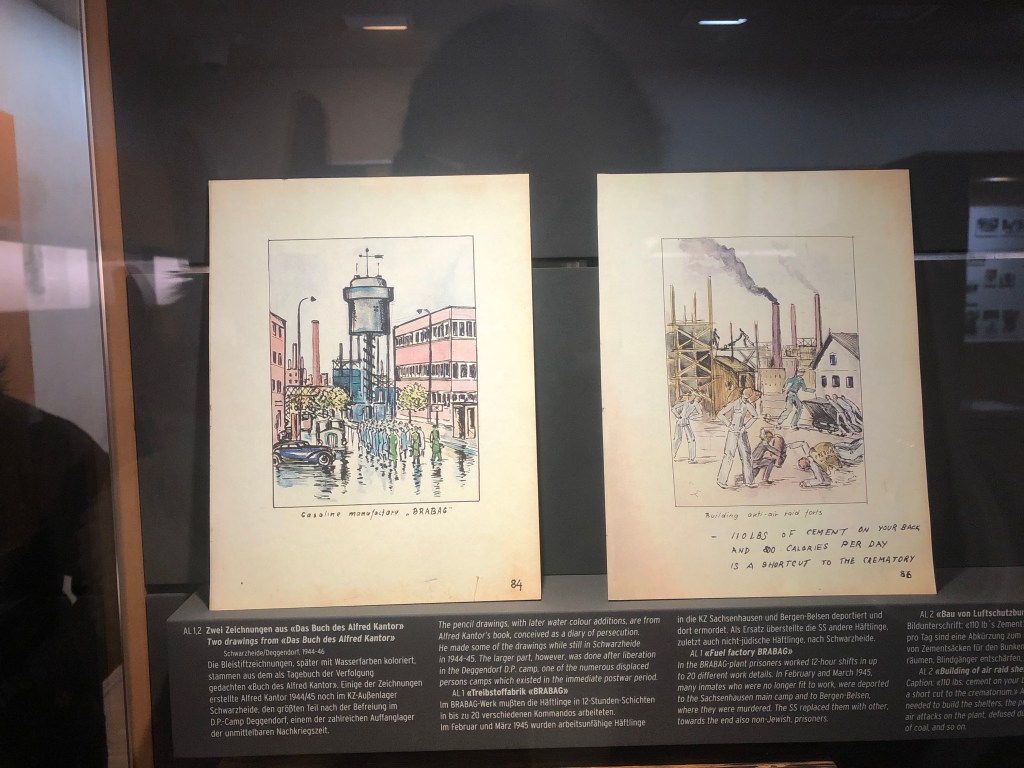
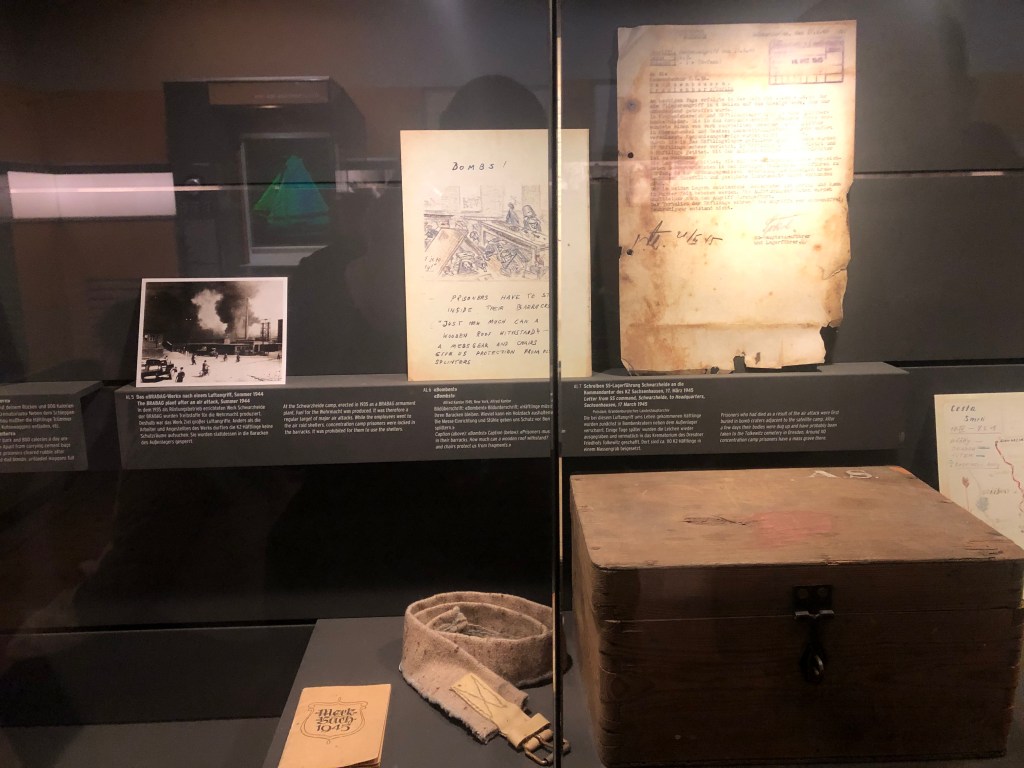
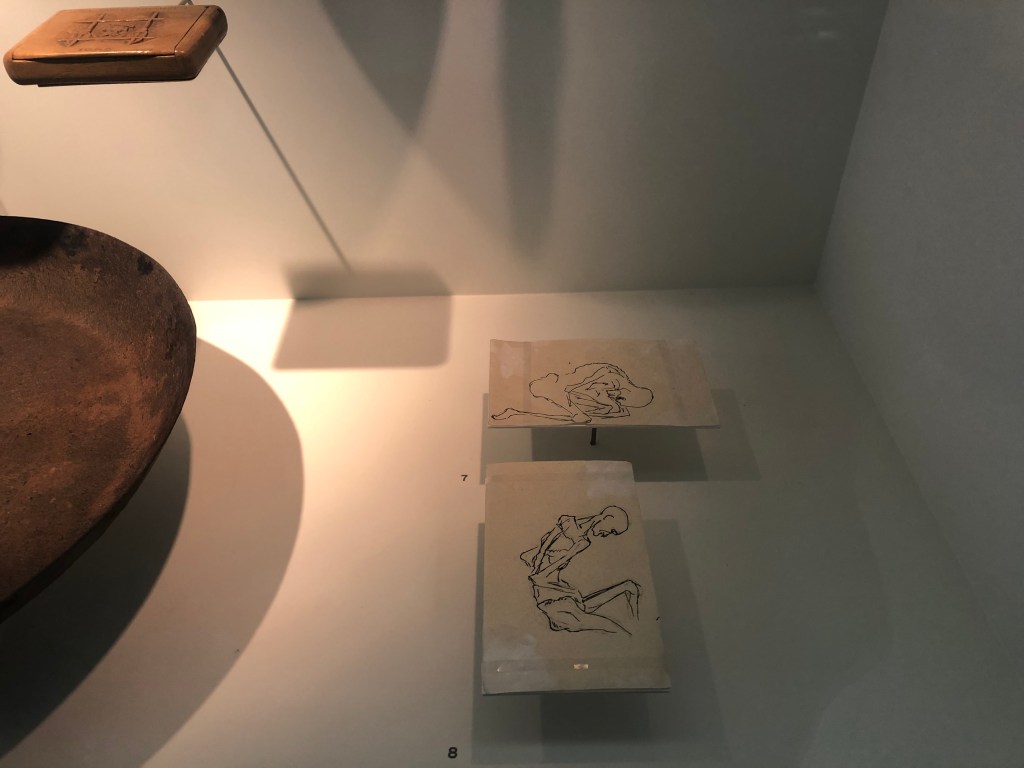
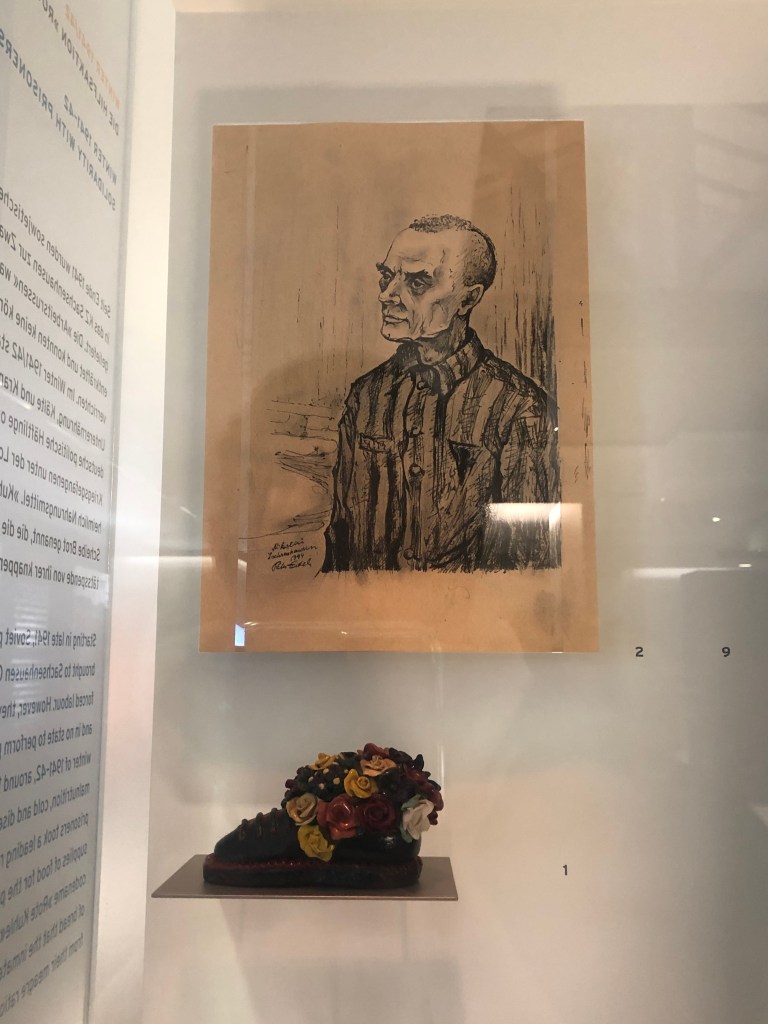
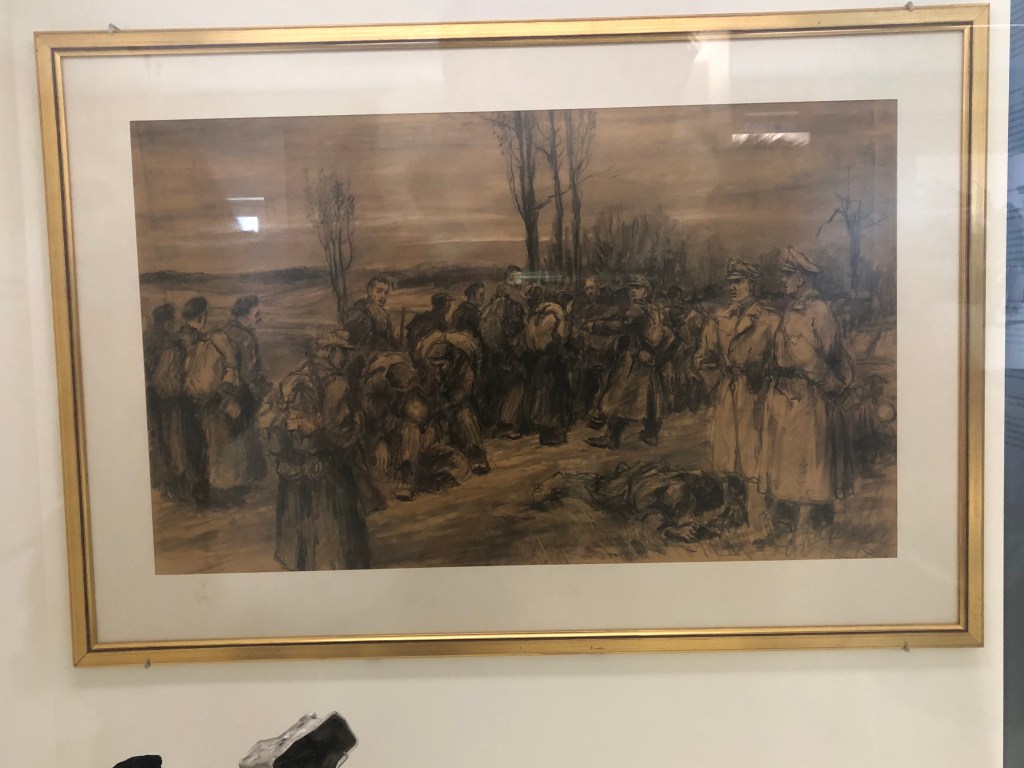
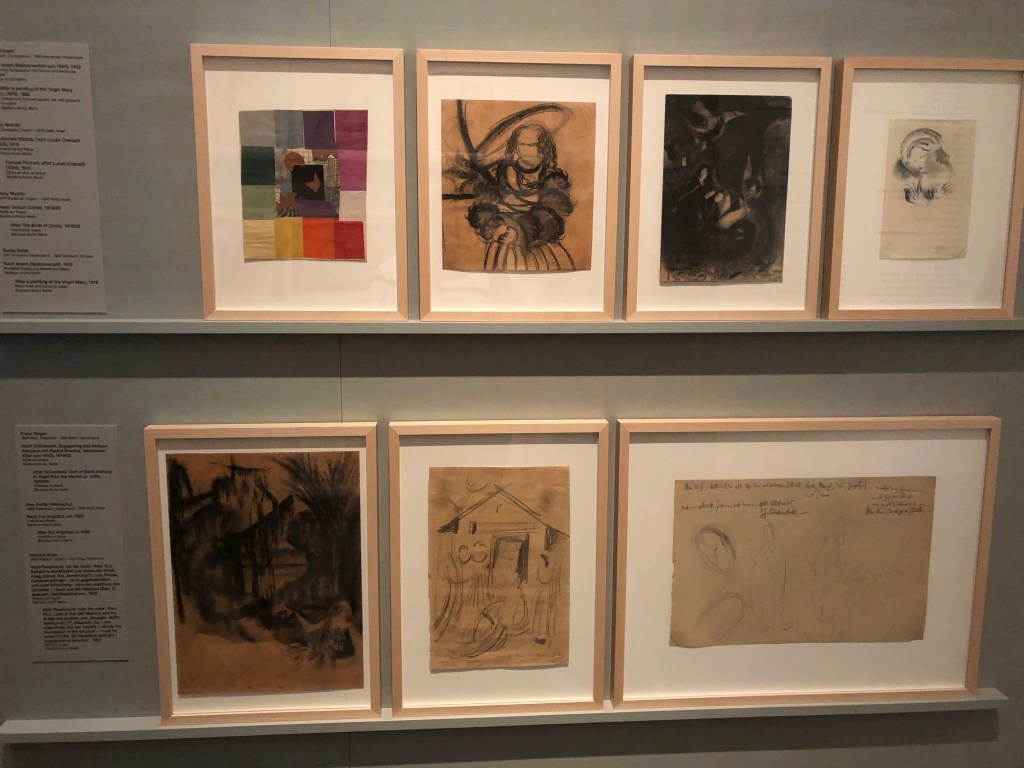
The most important part of the concentration camp to me was the drawings. The tour guild stated in the main office of tower 8 was that there are three types of accounts that they have from the camp. The first, is the video that was taken. It is the only video recording they have from the camp. The second, was the photographs that were taken. Many of the photographs were for propaganda use, where they were rying to show that these prisoners had a hard life but surely they were being treated fair. Other photographs were from the soldiers that took pictures for personal use. The final account, which is also the same thing he said was important, was the drawings.
The drawings are arguably the most accurate representations of the camps. The guild told us that while all of these people were in there together, they separated themselves, so they were not a unified group that saw themselves as connected even though they were going through the same thing. Therefore, the drawings that come out of the camp are extraordinary, because so many of these prisoners have drawn the same thing.
Along with the consistency of the content of the images, that conveys a truth about the camp that photographs don’t, are the way the sketches convey their emotion. The drawings are an expression of their pain and the pain of the people around them. The way the figures are drawn evokes a different message than any photograph can. Therefore, I think that is the most important part of the camp.
Can we forgive Germany for its past and still remember all that has happened?
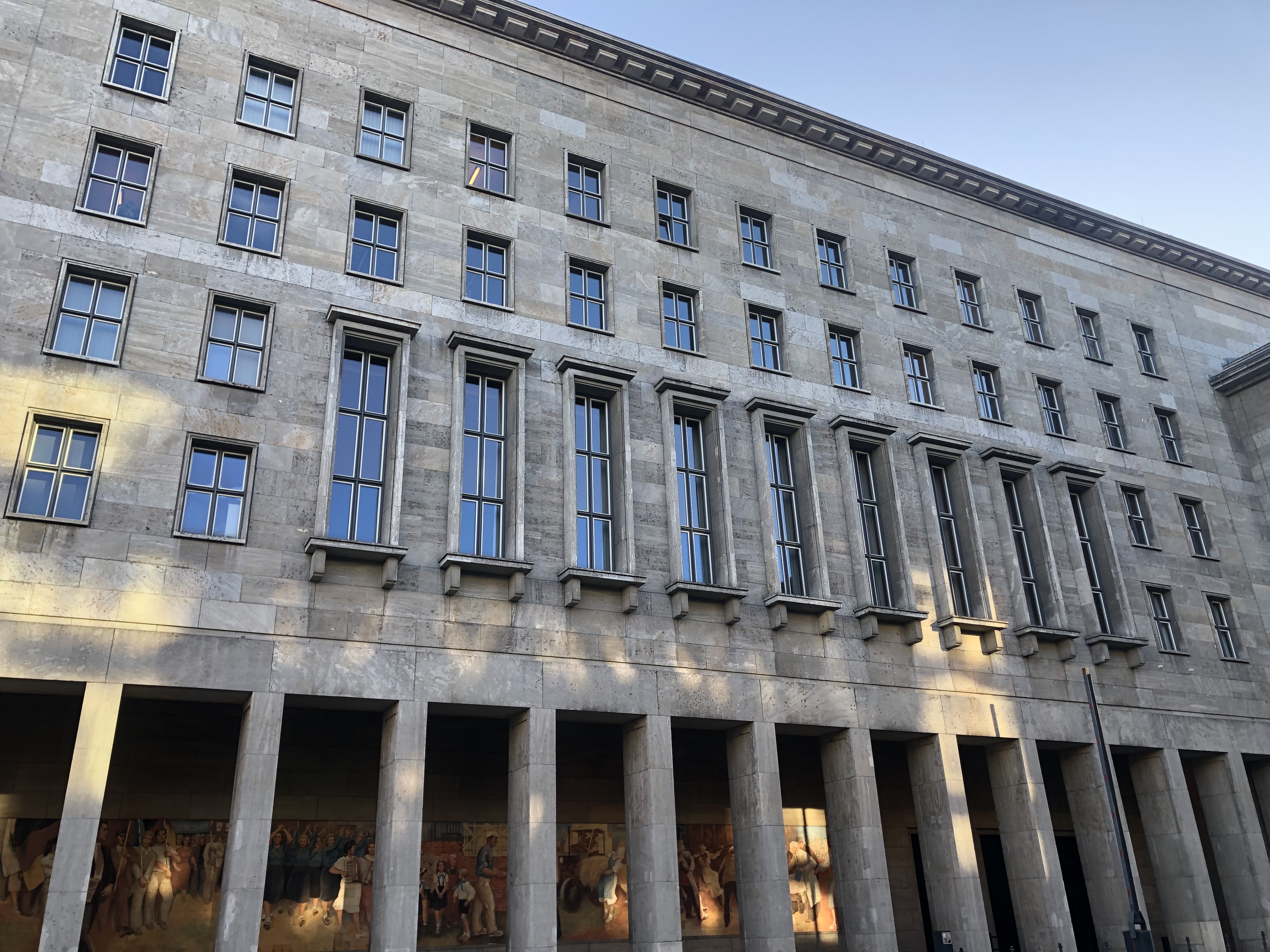
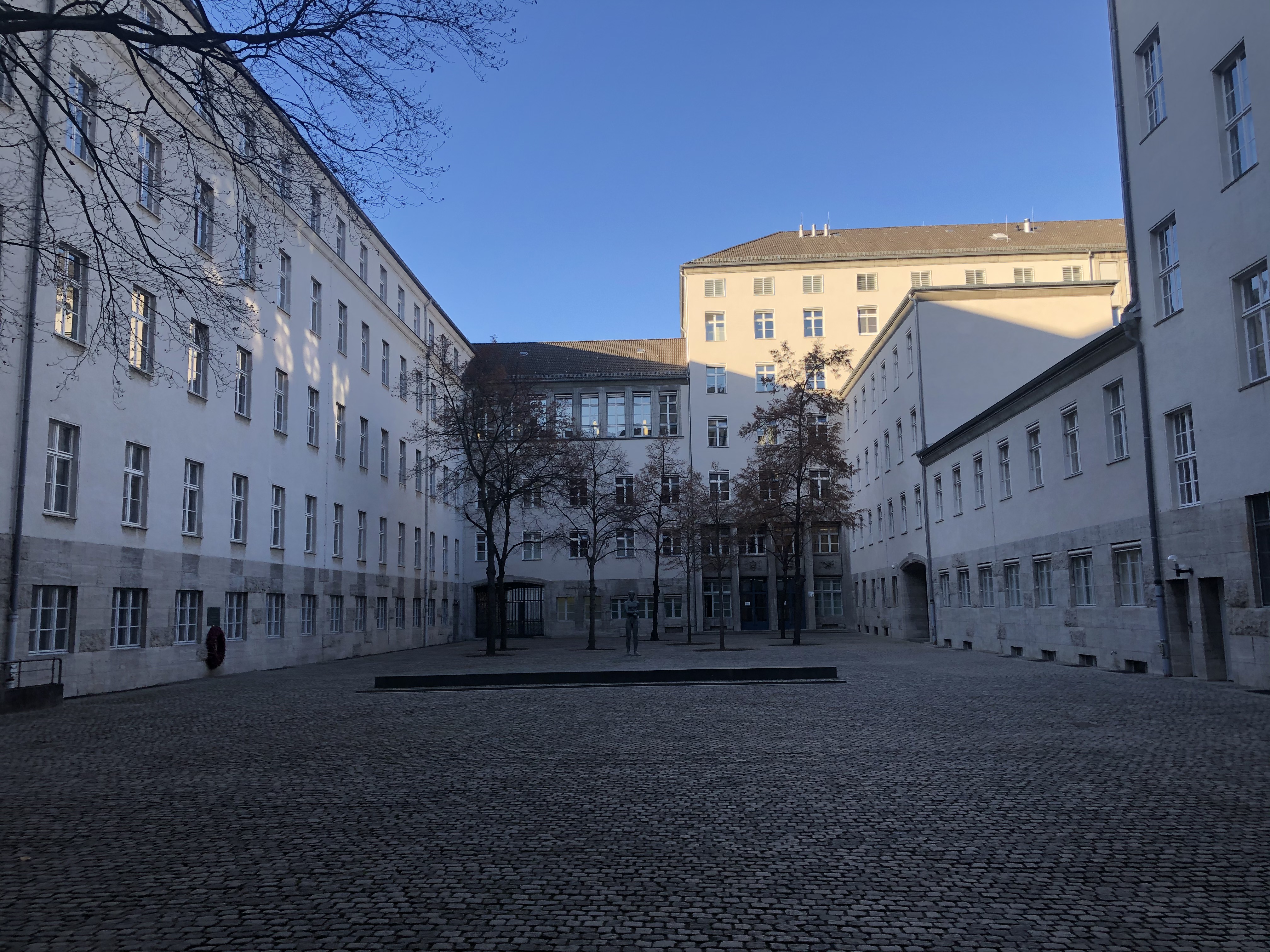
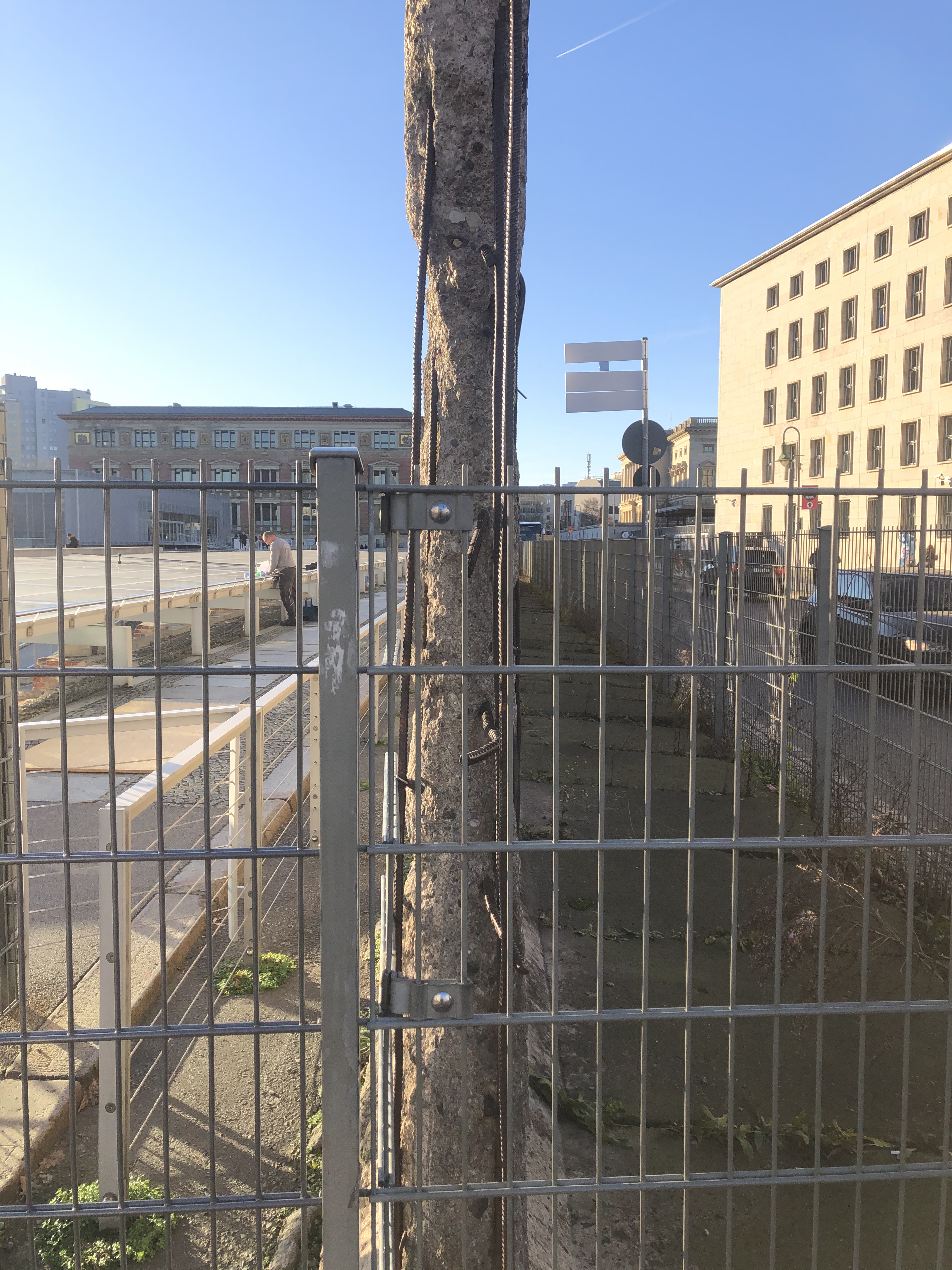
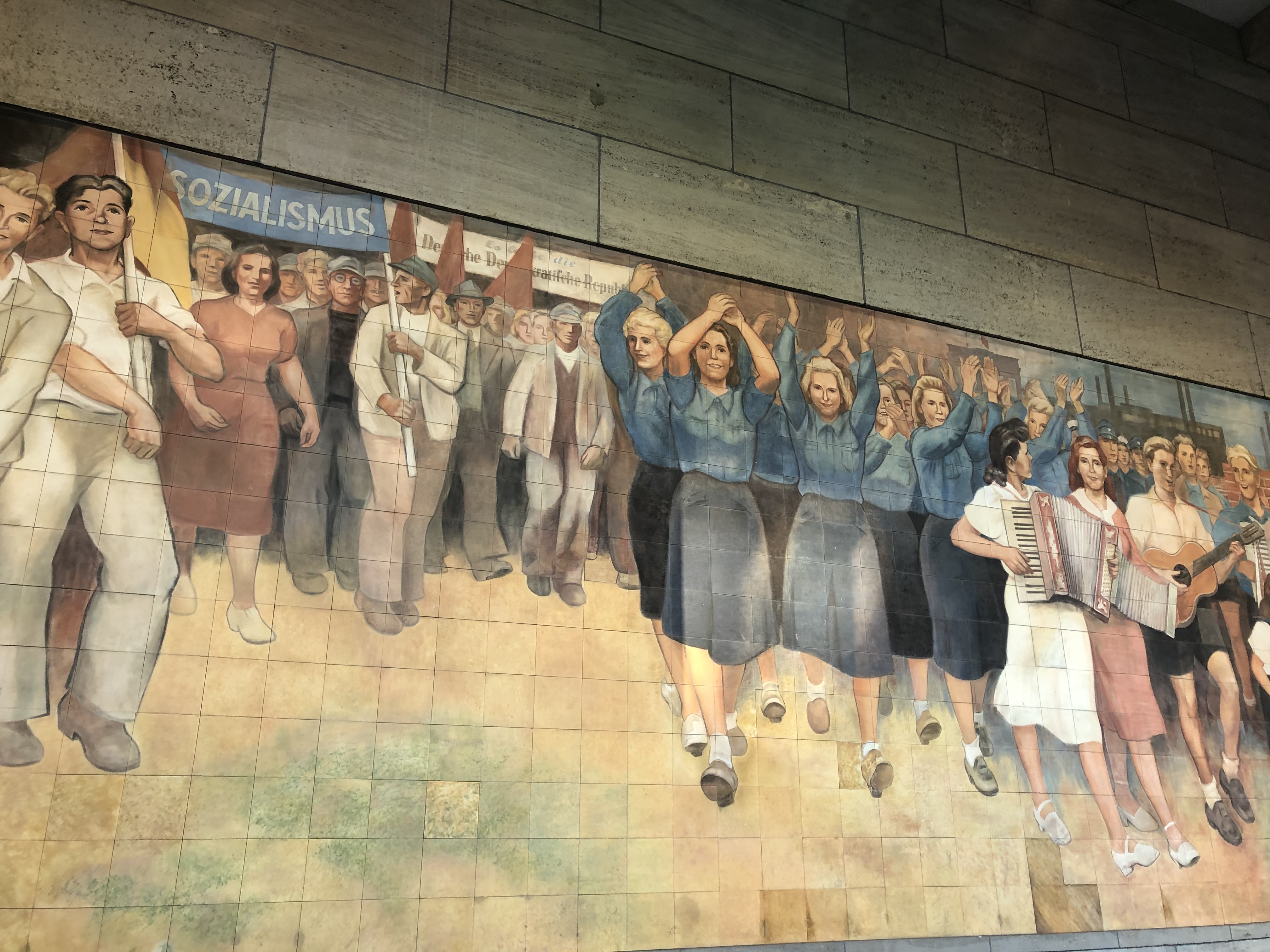
There are things we choose to remember in life. Usually memories that are fond, like the first time you were successful at riding a bike, or your wedding day. However we also have a tendency to remember the bad and the painful as well, like the bones you might have broken, or the worst fight you ever had with your partner. In order to appreciate the good memories, you have to have bad ones, but its how you choose to remember the bad that is important.
Germany has wonderful memories, victories and events that are proud moments in its history. However, all of the other history that makes up Germany often gets overlooked by the Holocaust and the events that occurred before, during, and after World War II. Berlin has so many elements that span across the city that are fighting to commemorate and honor the people that were forced into horrible positions. Some of them are solemn, and some attempt to be celebratory, but the question comes up, should Berlin be a city that constantly has to work so hard to combat the history of that time?
Berlin also seems like it is a little choosey on what is appropriate to commemorate and remember and what is, to them, better to be forgotten. There are buildings that were repurposed directly after the war, while others were torn down. Even some that we have see previously that were not deemed worthy of being reconstructed until much later.
Berlin attempts to make up for its past with all of the monuments and memorials that are beautifully preserved and tended to, like it is an eternal apology for the victims and their families. I am not saying that any of these sites are wrong, but to me, when trying to think about how Berlin, and Germany as a whole, have come to terms with the Nazi history, I feel like the constant reminders that flood the city and country will never allow them to forgive themselves.
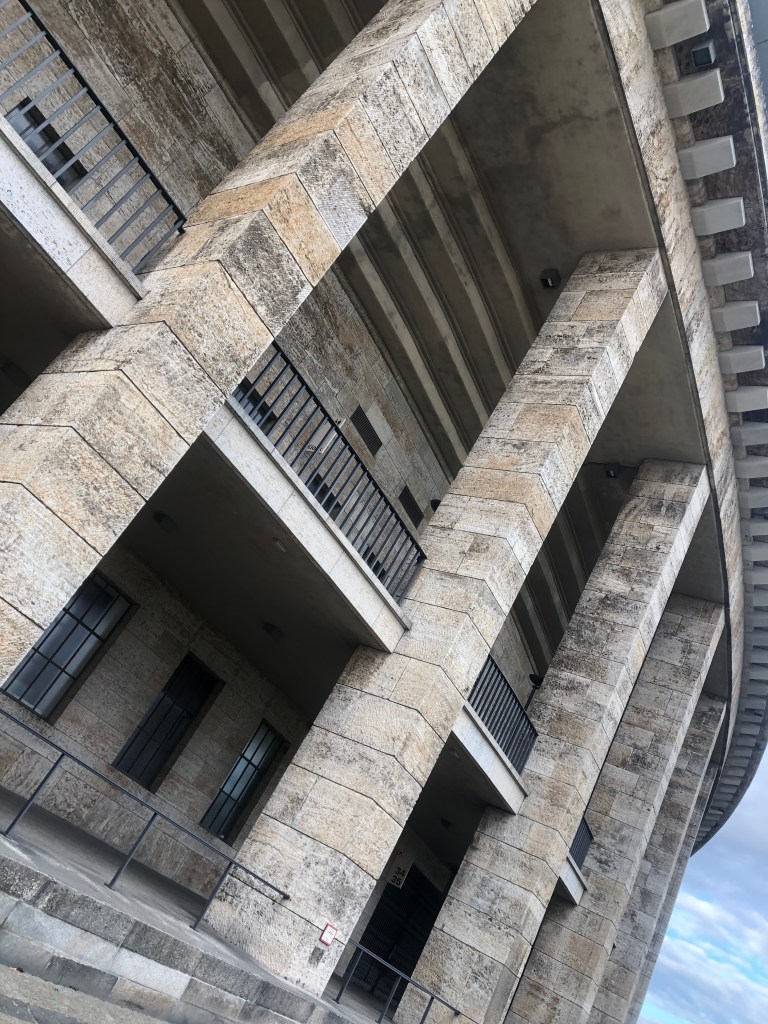
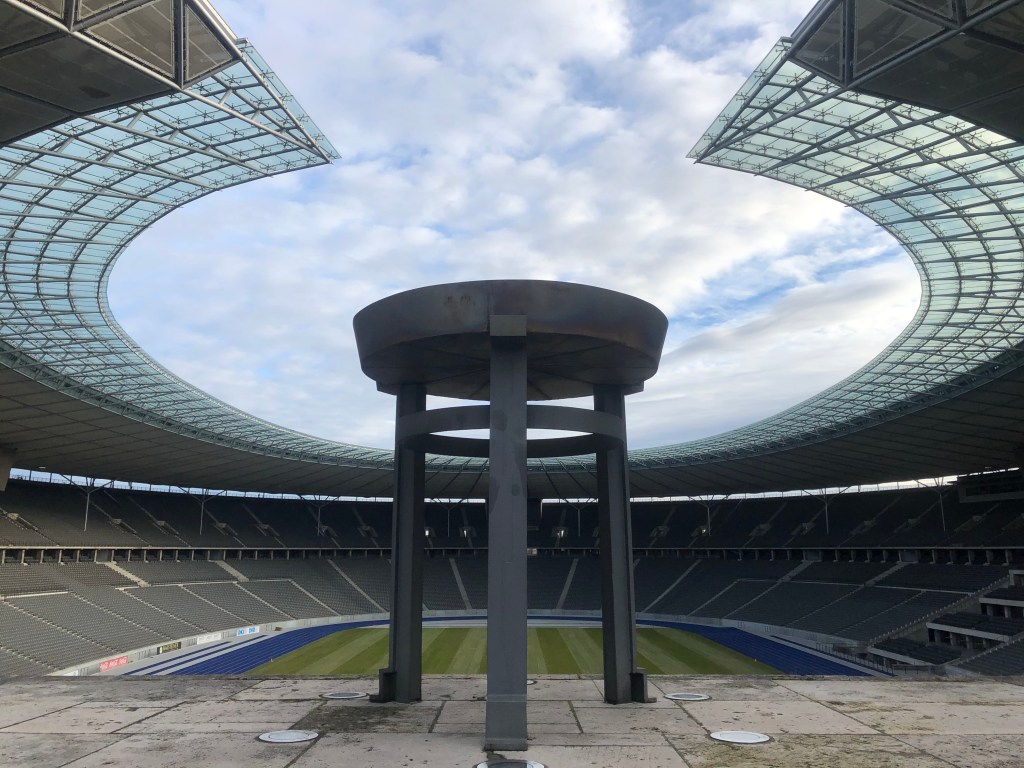
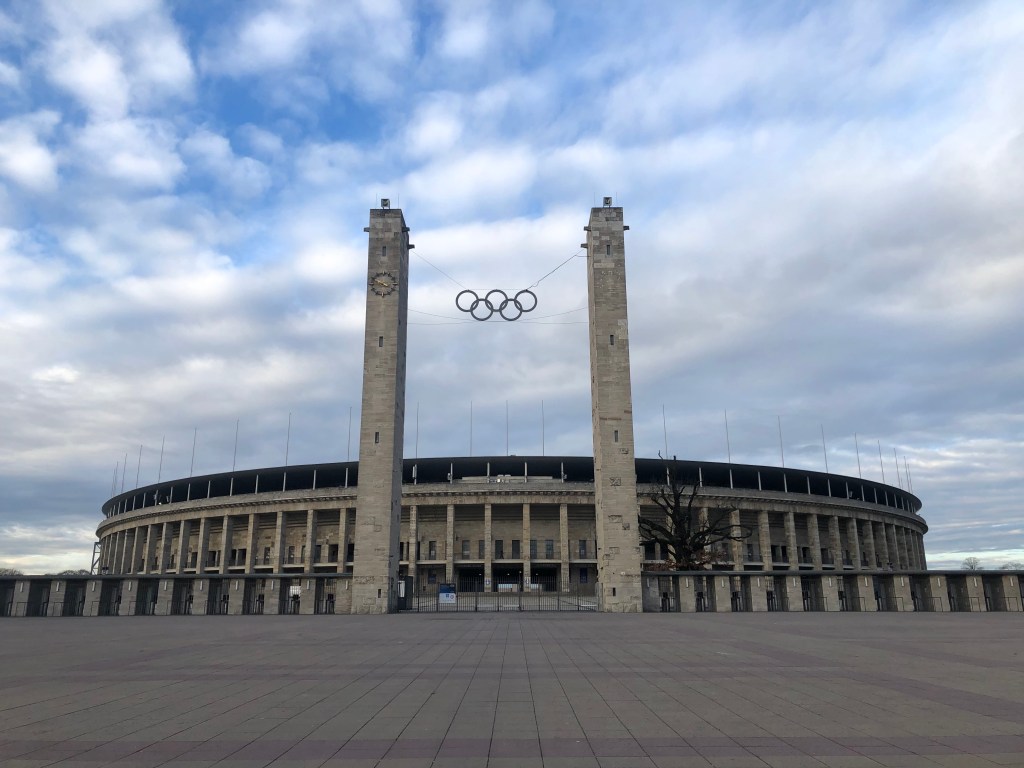
Today we went to the Olympic Stadium in Berlin! We learned about the history of the structure as well as the history of the prejudice that was associated with it. The building was used for the Germany hosted Olympics that took place in 1936. The building was a very quick build that was made to house over 100,000 people. The Nazi’s were in power at this time and Hitler was running the show. The Olympics are a very special event, and Germany almost lost the privilege to host as so many were unsure of their new form of government, especially because of all of the rumors that had been floating through the press. Germany at this point, before the Olympics began, removed all of the Jewish contestants from the German teams. Eventually this caused an uproar and America convinced Germany to allow a Jewish contestant to compete.
The building was transformed in the time of the Nazi’s and therefore the prejudice and the negativity from that time stays with the structure. However, when visiting the stadium, it now does not seem to have anything that stands out to be tied to the Nazi past. The bell that is located to the left of the stadium does have a swastika located on it, with one of the areas that would have previously held a negative space, had seemingly been filled in. Other than that small detail, the stadium seems to have washed itself of characteristics of its Nazi past. However, while it has been attempted before, to erase pieces of the past, it is clear that it will forever haunt the stadium. As future visitors come to see it and when future students learn of the events that occurred leading up to and after the Olympics, they will know of its Nazi background.
Have a WordPress.com account? Log in now.

